Song Meaning
This track lays bare a fierce, almost primal possessiveness. The narrator is locked in a battle, not for themselves, but for someone they refuse to surrender. The core of the conflict is a stark refusal: "Ne dam, ne dam nju" – I won't give her up. This isn't a plea; it's a defiant declaration against an unnamed aggressor who seeks to take the object of the narrator's affection.
The emotional stakes are incredibly high, framed as a battle for the soul and heart. The aggressor's actions are described as attempts to "forge my heart," "sicken my soul," and "block my sun." These are not minor inconveniences; they are existential threats to the narrator's well-being, directly tied to the potential loss of the person they are protecting. The narrator's response is equally extreme, stating, "I can give myself to the devil" – a willingness to face damnation to prevent the other person from being taken.
The lyrical structure hammers home this unwavering resolve through powerful repetition. The phrases "Hoćeš srce da mi okuješ" (You want to forge my heart) and "Ne dam, ne dam nju da miluješ" (I won't let you caress her) are mirrored in subsequent verses with "razboliš" (sicken) and "poljubiš" (kiss), and "zakloniš" (block) and "zavoliš" (fall in love). This pattern emphasizes a relentless, escalating attempt to claim what belongs to the narrator, and an equally relentless refusal. The refrain, "Njoj te ne dam, njoj te ne dam" (I won't give you to her), acts as an unshakeable anchor, reinforcing the central, unyielding stance.
What makes these lyrics resonate is their raw, unvarnished intensity. The narrator isn't negotiating or compromising; they are drawing a line in the sand with extreme prejudice. The willingness to embrace damnation underscores the depth of their commitment, making the refusal to surrender the beloved feel like a matter of life and death. It’s a powerful expression of protective love, bordering on obsession, that leaves no room for doubt about the narrator's intentions.
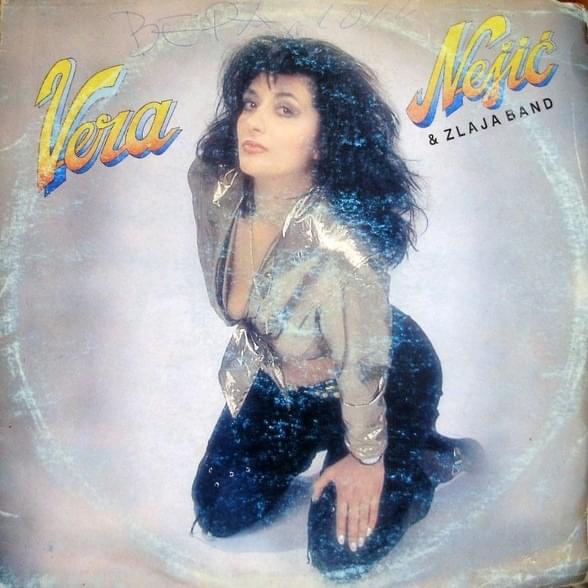
 View Artist