Song Meaning
The lyrics present a compelling invitation, framed by a proverb about early risers. Initially, the narrator states, "Ko rano rani dve sreće ima" (Whoever rises early has two fortunes), urging a specific 'you' to "dođi prvi, prkosi svima" (come first, defy everyone). This sets up a dynamic of proactive pursuit and reward. The repetition of these lines emphasizes the urgency and the perceived benefit of being the first to arrive.
The central tension emerges in the second verse, where the proverb shifts: "Ko rano rani dve sreće krade" (Whoever rises early steals two fortunes). This subtle alteration introduces a layer of possessiveness and potential conflict, suggesting that arriving first isn't just about gaining fortune, but perhaps about claiming what might otherwise be shared or available to others. The plea "Ti dođi prvi, ispuni nade" (You come first, fulfill hopes) now carries a more desperate undertone, as if the narrator's hopes are contingent on this specific person's swift arrival.
The most striking craft element is the narrator's direct offer in the chorus: "Ko pre do mene, daću usne rumene / Ko pre do mene, daću oči zelene / Ko pre do mene, daću noći vatrene" (Whoever comes to me first, I will give red lips / Whoever comes to me first, I will give green eyes / Whoever comes to me first, I will give fiery nights). This isn't just about abstract fortune; it's a very physical and intimate exchange. The narrator is offering tangible parts of themselves – their lips, eyes, and passionate nights – as the prize for being the first to reach them. The repeated plea, "Dođi ti, dođi ti da mi srce ne žali" (You come, you come so my heart doesn't regret), underscores the emotional stakes, framing the arrival as a way to prevent heartbreak.
Ultimately, these lyrics are effective because they blend a folk wisdom structure with raw, personal desire. The initial proverb provides a familiar framework, but the narrator subverts it by personalizing the 'fortune' into intimate offerings and urgent pleas. The shift from gaining fortune to stealing it, and the direct transactional nature of the chorus, create a potent mix of vulnerability and assertive demand, making the invitation feel both ancient and intensely immediate.
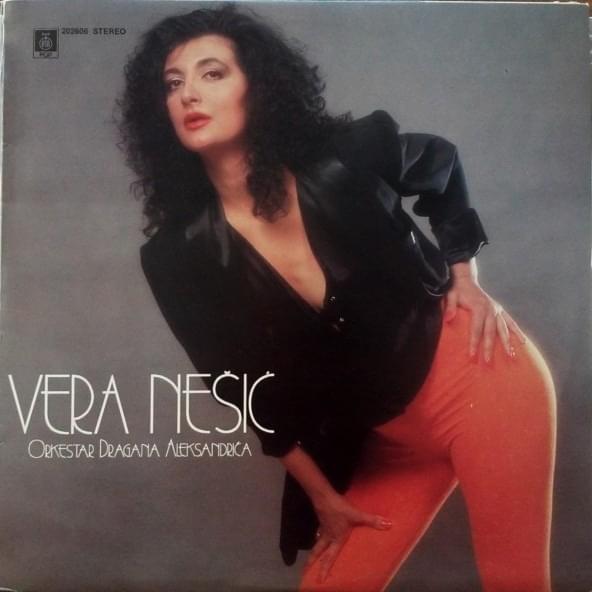
 View Artist