Song Meaning
The narrator is consumed by a deep, physical ache, a sickness they attribute directly to their lover's absence and infidelity. The opening lines lay it bare: "Drugu ljubiš tako čujem, zato bolujem" – hearing you kiss another is the direct cause of my suffering. This isn't just heartbreak; it's a literal ailment, a malady born from loneliness and betrayal. The nights spent alone are a debt owed to this unfaithfulness, a constant reminder of what's lost.
The core of the narrator's pain is the sensory deprivation of the relationship's end. The refrain hammers this home with relentless repetition: "Što ti oči ne gledam, što ti glasa ne čujem / Što ti usne ne ljubim, eto, zato bolujem." It’s the lack of sight, sound, and touch that constitutes the illness. This isn't a vague longing; it's a specific, tangible void where connection used to be. The repetition underscores the inescapable nature of this suffering, each iteration reinforcing the cause and effect.
The lyrics paint a picture of someone trapped in a waking nightmare, even reaching for the lost connection in dreams. "U snu sam te dozivala da ti čujem glas" reveals a desperate attempt to reclaim what's gone, only to be met with the harsh reality of their separation. The phrase "umreću zbog nas" – I will die because of us – elevates the personal anguish to a shared tragedy, suggesting the relationship itself is dying, taking the narrator with it. This hyperbole emphasizes the overwhelming, life-threatening nature of their despair.
Ultimately, the song's power lies in its direct, almost clinical articulation of sorrow. The narrator doesn't just feel sad; they are physically ill from it. The unwavering focus on the sensory deprivations – not seeing, not hearing, not kissing – makes the pain incredibly specific and visceral. This raw, unadorned confession of suffering, rooted in the simple fact of absence, makes the narrator's "sickness" feel profoundly real and devastating.
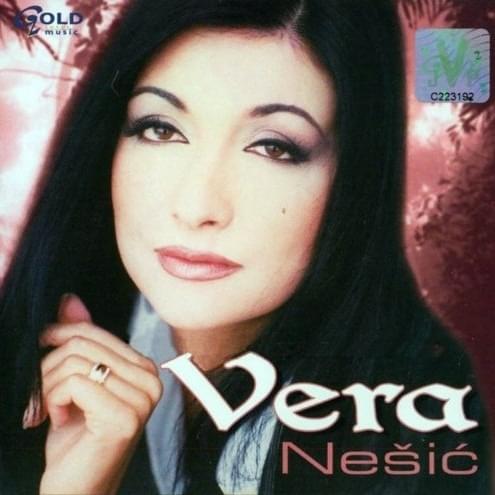
 View Artist