Song Meaning
The lyrics present a stark contrast between how a man and a woman are expected to handle heartbreak. The narrator asserts she won't mourn a "faithless boy" if he leaves, suggesting he can easily find solace in a bar with a drink. This paints a picture of male resilience, or perhaps a dismissive ease, in the face of lost love. The immediate counterpoint is the "girl left alone," whose face is literally washed with tears, highlighting a perceived greater vulnerability and deeper emotional impact on women.
The central tension lies in this gendered expectation of emotional response. The narrator argues against prolonged sadness for herself, questioning why her "eyes' sparkle" should be marred by tears or her "cheeks grow old" from sorrow. She believes that "sadness drinks up a girl's beauty," implying that outward displays of grief are detrimental to a woman's appearance and perhaps her social standing. This suggests a societal pressure for women to maintain composure and avoid visible suffering.
The most striking craft element is the repeated refrain emphasizing that "sadness drinks up a girl's beauty." This potent image personifies sadness as a destructive force specifically targeting a woman's aesthetic appeal. It’s a powerful, albeit cynical, framing of feminine worth tied to appearance. The lyrics also employ direct address and a declarative tone, as the narrator dictates how "no girl should regret" the faithless boy, reinforcing her assertive stance against dwelling on past hurts.
Ultimately, the effectiveness of these lyrics stems from their blunt, almost defiant, articulation of a perceived double standard in romantic disappointment. The narrator's refusal to "regret the faithless boy" and her reasoning—that he'll find comfort easily while she must preserve her beauty—resonate through their directness. The song doesn't just describe heartbreak; it prescribes a specific, self-preserving attitude for women, grounded in the idea that their emotional expression has visible, lasting consequences on their appearance, a consequence seemingly not afforded to men.
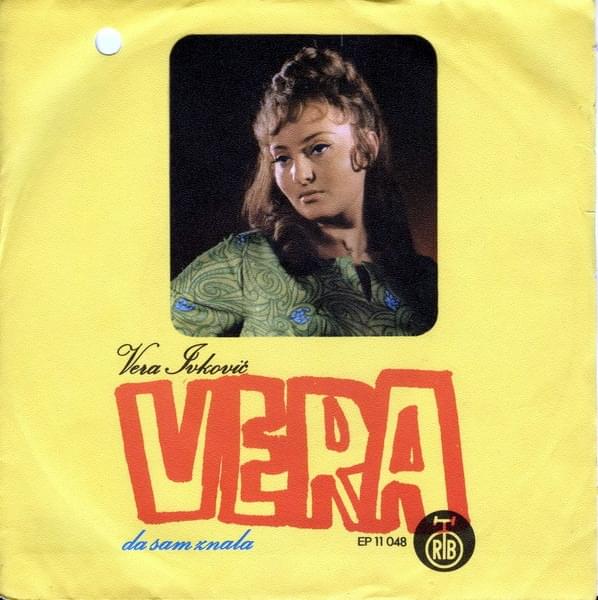
 View Artist