Song Meaning
This song opens with a daughter asking her mother, "Ej, šta ću, nane, boluje mi dika?" (Oh, what shall I do, mother, my beloved is sick?). The mother's response, "Ej, idi, kćeri, vidi bolesnika" (Oh, go, daughter, see the sick one), sets up a scene of concern and a potential encounter.
The central tension arises from the daughter's fear and hesitation: "Ne smem, nane, priće bola na me" (I dare not, mother, approach the pain). This suggests a deep emotional vulnerability, perhaps a fear of confronting the beloved's illness or the potential consequences of their relationship. The mother's counter-advice, "kad će prići, a ti nemoj ići" (when he approaches, you don't go), adds a layer of complex emotional strategy, hinting at a push-and-pull dynamic.
The lyrics employ vivid natural imagery to contrast the daughter's inner turmoil with the external world. While "mojim šorom cveta bela lala" (a white tulip blooms down my street), signifying beauty and perhaps stability, the beloved's world is described as "zeleni se trava" (the grass is greening). This contrast is further developed when the daughter invites him to "beremo lalu" (pick the tulip), but he responds by asking her to "kosimo travu" (mow the grass). This exchange highlights a disconnect in their desires or priorities, with her offering delicate beauty and him suggesting a more mundane, perhaps even burdensome, task.
The song's emotional power culminates in a stark ultimatum. The narrator declares, "Ej, diko moja, i jesi i nisi" (Oh, my beloved, you are and you are not), capturing the agonizing ambiguity of their situation. She demands he either "oženi se da vidim čiji si" (marry me so I can see whose you are) or "me mladu ti u grob sahrani" (bury me young in the grave). This powerful demand, grounded in the contrast between life and death, underscores the unbearable weight of uncertainty and the desperate need for commitment or finality.
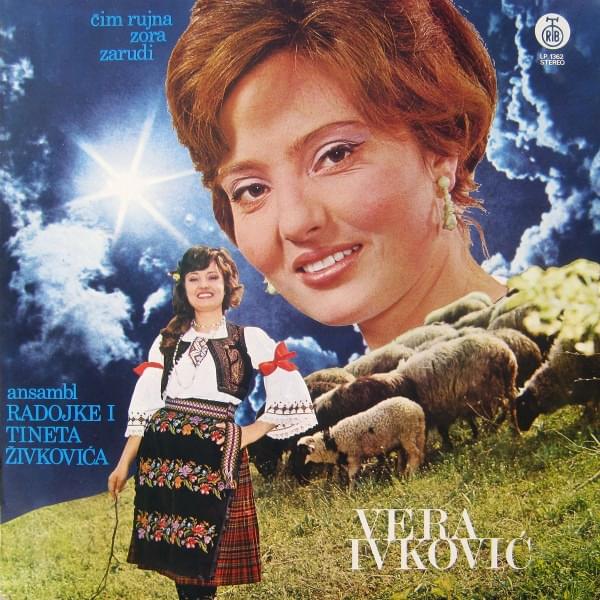
 View Artist