Song Meaning
The speaker pours out her heart to her mother, lamenting a lover's infidelity. She's caught in a painful cycle, wishing she'd never fallen for this "bećar" (rake). It's a raw confession of regret and deep emotional entanglement.
The core tension here is a brutal paradox: the speaker curses her lover's betrayal, yet confesses an overwhelming love for him. She acknowledges his infidelity – "on s drugom krati noći" – and the suffering he causes, but the fleeting joy of his return and his kisses is so potent it makes her "da izludim" (want to go crazy). This isn't just about being cheated on; it's about being utterly consumed by a love that brings both agony and ecstasy.
The relentless repetition throughout these lyrics is incredibly effective, mirroring an obsessive, circular thought process. Phrases like "Da sam znala" and "Ja ga kunem" echo the speaker's internal torment, while the direct, intimate address to "mila majko" grounds the entire piece as a desperate, unfiltered plea for understanding. This confessional framing makes the speaker's internal conflict feel intensely personal, almost as if we're eavesdropping on a private, anguished conversation.
What makes these lyrics hit so hard is their unflinching honesty about the self-destructive nature of certain attachments. The speaker's plea, "Nemoj reći 'Ostavi ga'," followed by the shocking admission that "Više vredi... I noć jedna kraj bećara / Pa neka ga, nek me vara," reveals a profound, almost terrifying acceptance of her fate. It's a testament to the power of a love so consuming that it overrides self-preservation, laying bare the complex, often irrational depths of human emotion.
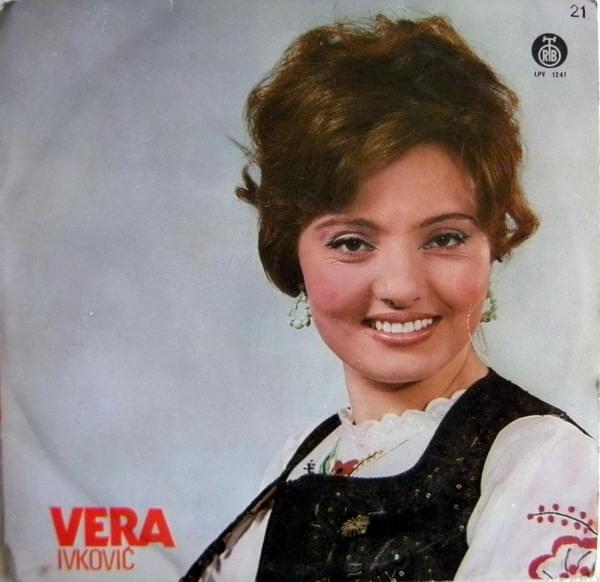
 View Artist