Song Meaning
The lyrics immediately establish a defiant stance, opening with a blunt declaration: "Baš me briga kako ti je" (I don't care how you are). This isn't just a casual dismissal; it's a direct response to an implied assumption that the narrator's well-being is tied to the other person's. The repeated question, "Zar ti misliš kad ja pevam / Da nikakve brige nemam?" (Do you think when I sing / That I have no worries?), reveals a core tension: the narrator's outward expression, perhaps their singing, is misinterpreted as a sign of carefree happiness, masking their own struggles.
The central conflict ignites in the chorus with a fierce rejection. The narrator warns the other person, "Varaš se, diko, grdno varaš" (You're mistaken, darling, greatly mistaken), asserting their independence and refusing to be manipulated or defined by the other's actions. The harsh pronouncements, "Crkni, pukni, da te gledam" (Drop dead, burst, for me to see you), and the repeated refusal, "Tebi svoju ljubav ne dam" (I won't give you my love), underscore a deep-seated hurt and a resolute decision to withhold affection, even if it means wishing ill upon the other person.
A striking element is the narrator's projection of their own desires onto the other person's situation. In the third stanza, they state, "Baš me briga kako ti je / Svako žanje kako sije" (I don't care how you are / Everyone reaps what they sow), a proverb suggesting consequences. Yet, they immediately follow with, "Bar ti znadeš šta ja želim / Da se, mlada, razveselim" (At least you know what I want / To be happy, young one). This implies the narrator wants the other person to move on and find happiness elsewhere, perhaps as a means to achieve their own peace and joy, turning the initial indifference into a complex, self-serving wish for separation.
Ultimately, the effectiveness of these lyrics lies in their raw, unvarnished expression of pain and resilience. The narrator doesn't shy away from harsh language or vengeful sentiments, but these are framed not as pure malice, but as a defense mechanism born from their own difficult situation. The repeated refrains and direct address create a confrontational energy, making the narrator's declaration of self-preservation feel earned and powerful, even if it's delivered with a bitter edge.
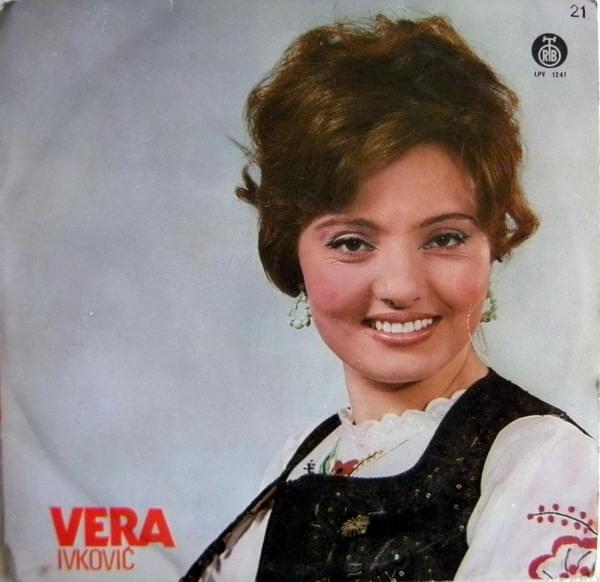
 View Artist