Song Meaning
The narrator pleads with someone to release a burden, framing it as the key to reclaiming their true self and the ability to love again. The repeated phrase "If only you could let it go" emphasizes a desire for the other person to find peace, suggesting they are currently trapped in a precarious emotional state, like "walking on tight ropes." This inability to let go is presented as the direct obstacle preventing them from self-acceptance and, consequently, from reciprocating love.
The central tension lies in the conditional nature of the narrator's affection. They express a clear willingness to love the other person, even stating "I could love you," but this love is contingent on the other person first achieving self-love. The lyrics pose a poignant question: "But I'll wait til when / You love yourself again," highlighting the narrator's patience but also the potential for an indefinite, perhaps painful, waiting period. This creates a dynamic where the narrator holds the power to offer love, but chooses to withhold it until the other person demonstrates self-sufficiency.
The most striking aspect of the craft is the persistent repetition of "You could love yourself again." This refrain acts as both an encouragement and a demand, hammering home the core message. The contrast between the narrator's immediate availability ("I could love you") and their insistence on the other's internal healing before offering that love is stark. The recurring image of "the light will come again" offers a glimmer of hope, but it's framed as something that will happen "until then," reinforcing the present state of waiting and uncertainty.
Ultimately, the lyrics resonate because they articulate a common, albeit difficult, relationship dynamic: the struggle to love someone who struggles to love themselves. The narrator's stance, while seemingly harsh, is rooted in the belief that true connection requires individual wholeness. The repeated pleas and the patient, yet conditional, waiting underscore the deep care the narrator has, even if it manifests as an ultimatum for self-improvement before love can be fully shared.
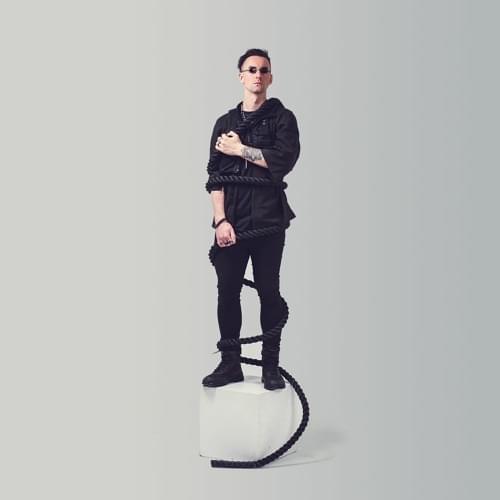
 View Artist