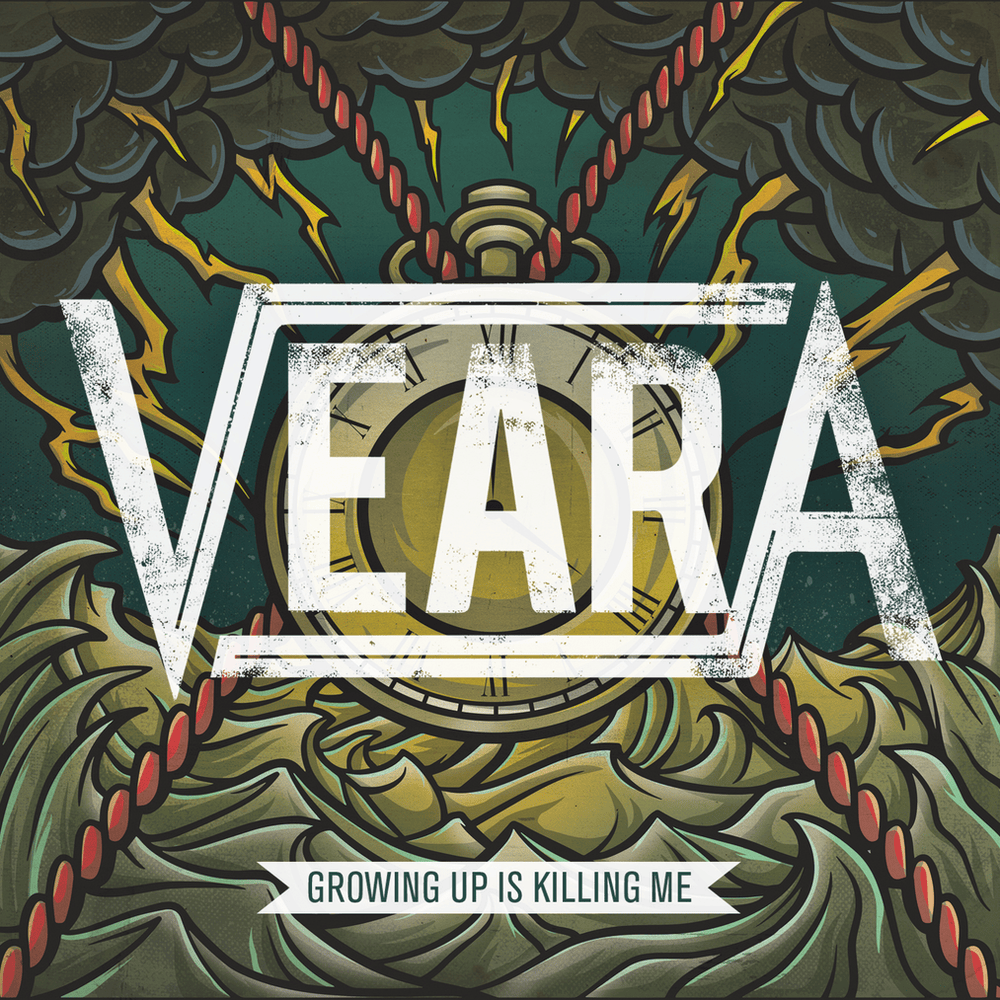
Song Meaning
This track captures the disorienting feeling of time slipping away and the struggle to keep up with personal change. The narrator expresses a weariness with the effort others put into their lives, feeling like an outsider observing their frantic pace. This sense of detachment is amplified by the observation that 'hearts change minds like the time of day,' suggesting a fluid and perhaps unreliable nature of human connection and self-perception.
The central tension lies in the conflict between a desire for stasis and the inevitable march of time, encapsulated by the repeated refrain, "Growing up is killing me." There's a palpable frustration with the pressures of adulthood and the realization that the past cannot be recaptured. This feeling is intensified by the question, "If we only knew then what we know right now," hinting at a longing for foresight and a regret over past decisions or missed opportunities.
The lyrics employ a stark contrast between the narrator's internal inertia and the external world's relentless movement. Phrases like "another day, another week gone by" and "another month, another year gone by" emphasize the passive passage of time. Yet, the narrator acknowledges the necessity of forward motion, stating, "you won't get anywhere if you just stagger and stare." This internal debate between wanting to hold on and needing to move forward creates a compelling emotional core.
Ultimately, the effectiveness of these lyrics stems from their raw articulation of a common, yet often unspoken, anxiety about aging and transformation. The simple, direct language and the recurring, almost desperate, plea of the chorus make the feeling of being overwhelmed by life's progression incredibly resonant. The bridge adds a layer of poignant uncertainty, questioning whether growth was a choice or an imposition, leaving the listener with a profound sense of shared, unresolved introspection.