Song Meaning
The narrator is grappling with the difficulty of articulating a painful truth, a truth that becomes clearer as the other person distances themselves. There's a palpable frustration with unspoken feelings and a desire to communicate the raw emotional reality, even if it's hard to put into words. The initial lines suggest a struggle for expression, a mental block preventing the full weight of the situation from being conveyed.
The core tension lies in the paradox of distance creating clarity: "The further you go the closer we are / To getting on the right foot." This implies that the other person's departure, or their emotional withdrawal, is paradoxically bringing the narrator closer to a resolution or a healthier state. The narrator is tired of the other person's evasiveness, telling them to "Go sing your song to somebody else" because their words lack sincerity.
The lyrics paint a stark picture of the other person's downfall, with the repeated, almost detached observation: "We're watching you drown." This imagery is brutal and final, suggesting a complete loss of control and a self-inflicted demise. The chorus hammers home the narrator's realization and newfound resolve: "Get up and get out / You know I'm better off without you." This isn't just about ending a relationship; it's about recognizing a pattern of unreliability and choosing self-preservation over continued disappointment.
The effectiveness of these lyrics stems from their unflinching directness and the visceral imagery of drowning. The narrator moves from a place of internal struggle to a powerful declaration of independence, fueled by the other person's perceived failures. The repeated assertion "I won't take the blame" solidifies this shift, firmly placing responsibility on the other party and freeing the narrator from any lingering guilt or obligation.
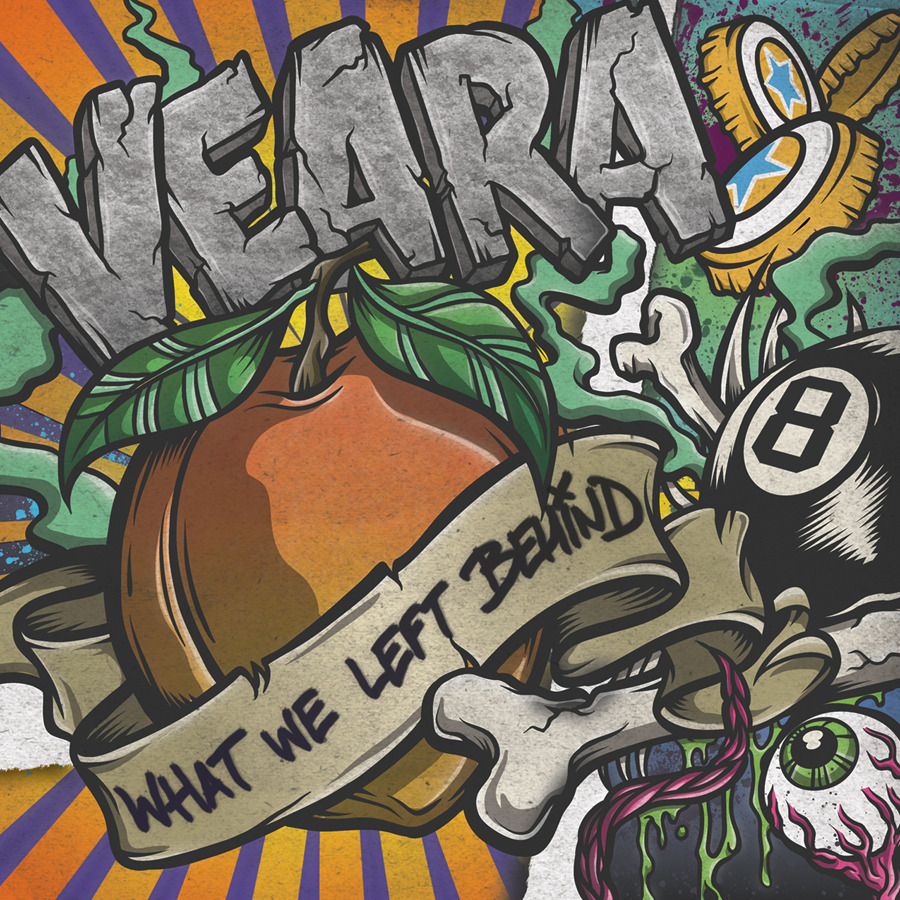
 View Artist