Song Meaning
The lyrics to "Come Prima" immediately immerse us in a curious linguistic blend, anchored by the recurring Italian phrase "Come prima, più di prima t'amerò." A narrator, speaking a charming mix of Norwegian and accented English, invites us to hear their organ. This opening sets a scene of performance and a deep, enduring affection.
Beneath the surface invitation lies a compelling narrative of transformation. The narrator recounts a past life, describing themselves as "fattig, spiller lyrekasse," where tourists merely snapped photos. This stark image of struggle contrasts sharply with the present comfort: playing at a hotel, earning "masse mat og mange krone." The pivotal moment arrives with Valborg, a hotel owner from "Ørsta," who appears to offer a new beginning. This shift from street performer to hotel musician forms the core emotional tension.
The change in musical instruments powerfully illustrates this rise in fortune. The humble "lyrekasse" of Rome is upgraded to a "Farfisa," a more sophisticated organ, signaling a clear ascent in status and opportunity. Yet, through this entire journey, the core sentiment "Come prima, più di prima t'amerò" remains constant. It's the one unchanging element, a melodic anchor connecting past and present, poverty and prosperity. This repetition emphasizes the enduring nature of the narrator's affection, regardless of their circumstances.
The lyrics effectively weave a tale of migration and personal growth, using specific details like the "Fiat hit opp til Ørsta" to ground the journey. The blend of languages, particularly the narrator's unique voice, adds an authentic, almost cinematic quality to the story. This narrative of finding a new home and a new love, all while holding onto an old, cherished promise, resonates deeply. It's a testament to how enduring affection can shape a life's trajectory, even across continents. The vivid imagery and the narrator's distinct perspective make this transformation feel both personal and universally poignant.
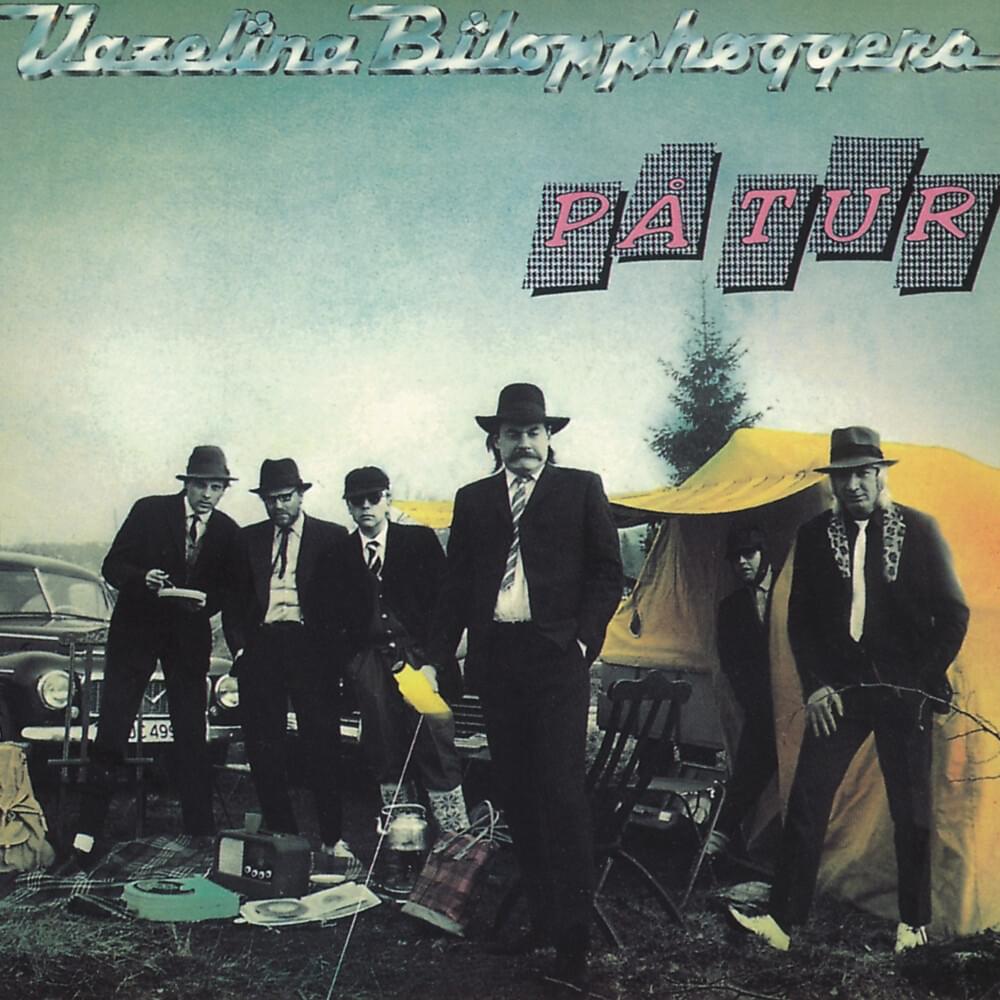
 View Artist