Song Meaning
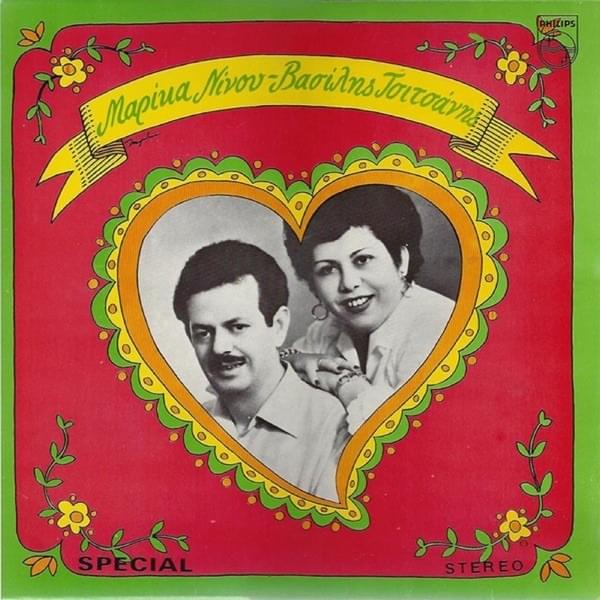
This song paints a vivid picture of a romantic outing, a "tsarka," through various picturesque locations. The narrator invites his "sweet doll" from Thessaloniki, Marigoula, on a leisurely stroll. The dominant tone is one of affectionate courtship, set against a backdrop of seaside locales and musical interludes. The repeated promise to play the "fine baglama" underscores the central gesture of serenading his beloved.
The lyrics establish a clear emotional arc centered on wooing Marigoula. The narrator guides her through a series of charming spots like "Baxé Tsiflíki," "Karampounáki," and "Bechtsinári," each stop building towards the ultimate romantic gesture. The anticipation of hearing Tsitsanis play the baglama suggests a shared appreciation for music, elevating the experience beyond a simple walk. The repeated phrase "Na sou paíxo fíno baglamá" (To play you the fine baglama) acts as a recurring motif, a promise of musical enchantment.
The craft here lies in the evocative listing of places and the consistent musical promise. The specific names of locations, like "Baxé Tsiflíki" and "Karampounáki," ground the fantasy in a tangible, albeit romanticized, geography. The repetition of the baglama playing serves as the song's emotional anchor, a constant refrain of the narrator's desire to charm Marigoula through melody. The inclusion of "na akoúseis ton Tsitsáni" (to hear Tsitsanis) adds a layer of cultural resonance, hinting at a shared artistic taste.
Ultimately, the lyrics resonate because they capture a simple, yet profound, act of affection. The narrator's focus is entirely on creating a beautiful experience for Marigoula, from the scenic tour to the promise of exquisite music. The song effectively conveys a feeling of tender courtship, where the journey itself, filled with specific sights and sounds, becomes the expression of love. The repeated musical offering is the heart of this romantic endeavor.
 View Artist