Song Meaning
This song paints a vivid picture of intense, almost overwhelming infatuation, framing a single night as a pivotal, life-altering event. The narrator uses striking imagery, comparing their lover's eyes to "two little lights of a night airplane" that "carve the air," immediately establishing a sense of awe and wonder. The embrace is elevated to the "Stairway of Milan," suggesting a grand, aspirational, and perhaps even sacred connection. This isn't just a casual encounter; it's framed as an "official premiere," marking the beginning of something profoundly significant for the narrator.
The core desire is a complete immersion and erasure of the past. The repeated plea, "Take me, take me / Hide me inside you," underscores a yearning for total absorption, to the point of wishing "as if I hadn't lived / Before this night." This suggests a feeling of incompleteness or dissatisfaction with their prior existence, finding ultimate meaning and validation only in the present moment with this person. It’s a radical desire to be reborn through the experience of love.
The lyrics employ playful yet deeply felt metaphors to convey this passion. The lover's face is described as "blooming," and they are compared to a "smiling, crazy little flipper," to whom the narrator offers "one more marble to play." This childlike imagery, coupled with the intense romantic declarations, creates a unique blend of vulnerability and exhilaration. The narrator is willing to give everything, even their last 'marble,' in this game of love, highlighting a sense of joyous abandon and a willingness to be completely consumed.
Ultimately, the song's power lies in its raw, unadulterated expression of love's transformative potential. The narrator finds a profound sense of purpose and belonging, even in the simple act of sharing a bed. The closing lines, "I don't have the key to paradise / But I love you and I think that's something," beautifully articulate that while grand notions of heaven might be out of reach, the profound experience of love itself is a deeply meaningful and sufficient reality. It’s this earnest, almost naive conviction that makes the narrator's devotion so compelling.
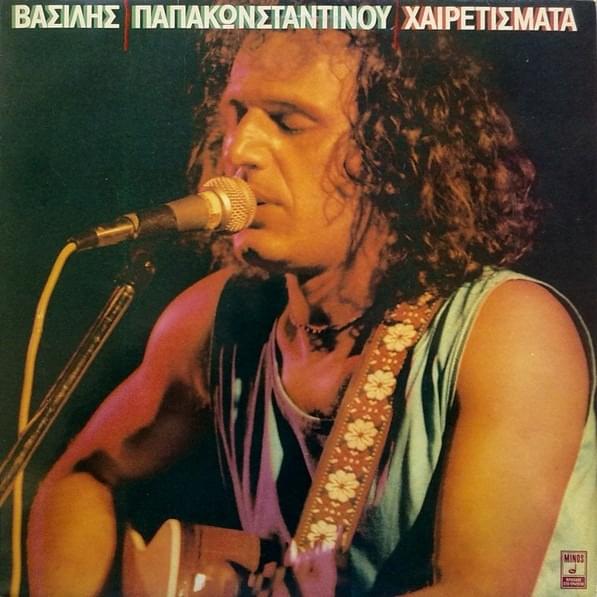
 View Artist