Song Meaning
The lyrics paint a vivid picture of a young, reckless life lived at breakneck speed. The narrator is a "pirate" on his motorcycle, his "plastic jacket" a flag, embodying a defiant, almost fatalistic existence. At 18, he "broke the brakes," suggesting a deliberate rejection of caution and a relentless pursuit of something beyond the mundane, a life measured in "a thousand cubic centimeters." This intense pace, however, breeds weariness and a sense of predetermined doom, as if his life was "born for some murder."
The central tension lies in the contrast between outward bravado and inner fear. Surrounded by a crew, the narrator feels neither fear nor affection from them, highlighting a profound isolation. The lyrics suggest a life lived "sneakily," constantly on the run, yet the greatest fear is not external threats, but the inability to rest, to "sleep," forcing him to "start the journey again."
The most striking craft element is the recurring image of the "thousand cubic centimeters," representing the raw power and speed of the motorcycle, but also the overwhelming scale of the life being lived. This is juxtaposed with a single "drop of blood on your jacket," a stark, intimate detail that underscores the fragility of life amidst such intensity. The "finger on the brake, frozen" speaks volumes about the inability or unwillingness to stop, even when faced with the consequences.
Ultimately, these lyrics resonate because they capture a specific, visceral feeling of youthful recklessness teetering on the edge of disaster. The final lines, "alone at dawn, at dawn on the avenue / And you wait for an ambulance," followed by the chilling confirmation "killed since three-ten," bring the narrative to a brutal, inevitable conclusion. The writing effectively uses powerful, concise imagery to convey a sense of inevitable tragedy born from a life lived too fast and too hard.
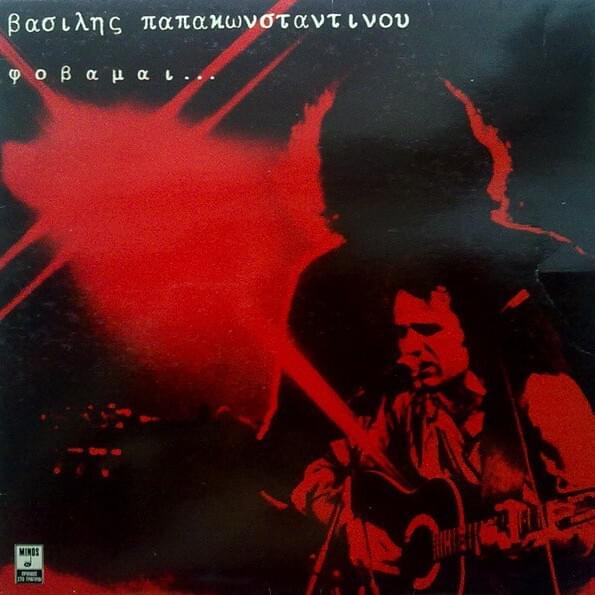
 View Artist