Song Meaning
The lyrics paint a stark picture of abandonment at the most critical moment. The repeated phrase "Βρήκες την ώρα" (You found the time) is laced with bitter irony, highlighting the cruel timing of the departure. The narrator is left reeling, emphasizing their profound need for the other person "όσο ποτέ" (like never before), making the act of being left feel like a betrayal and a permanent severance. The immediate emotional texture is one of shock and deep, raw pain.
The central tension lies in the narrator's desperate plea and overwhelming suffering versus the other person's definitive absence. The narrator expresses a willingness to sacrifice everything, even life itself, "Θα 'δινα και τη ζωή μου" (I would give my life), just for a glimpse or an embrace. This contrasts sharply with the finality of the departure, which occurred "Χωρίς ένα γεια" (Without a goodbye), amplifying the sense of being discarded and the depth of the ensuing "πόνο" (pain).
The lyrics masterfully use the concept of time to underscore the emotional devastation. The phrase "Σταματάει ο χρόνος, σταματούν τα ρολόγια" (Time stops, the clocks stop) is a powerful image of how the narrator's world has frozen in the wake of this abandonment. This isn't just about being left; it's about the narrator's entire existence grinding to a halt, unable to process the pain and the sudden, stark loneliness that now feels eternal, "θα 'μαι μόνος για πάντα" (I will be alone forever).
What makes these lyrics so impactful is their unflinching portrayal of desolation and the raw, almost physical manifestation of grief. The narrator's soul is described as "ματώνει απ' τον πόνο" (bleeding from the pain), and their lips are "ματώνουν" (bleeding) from calling out. This visceral language, combined with the imagery of a "άδειο το σπίτι" (empty house), grounds the abstract pain in concrete, agonizing sensations, making the listener feel the weight of the narrator's suffering.
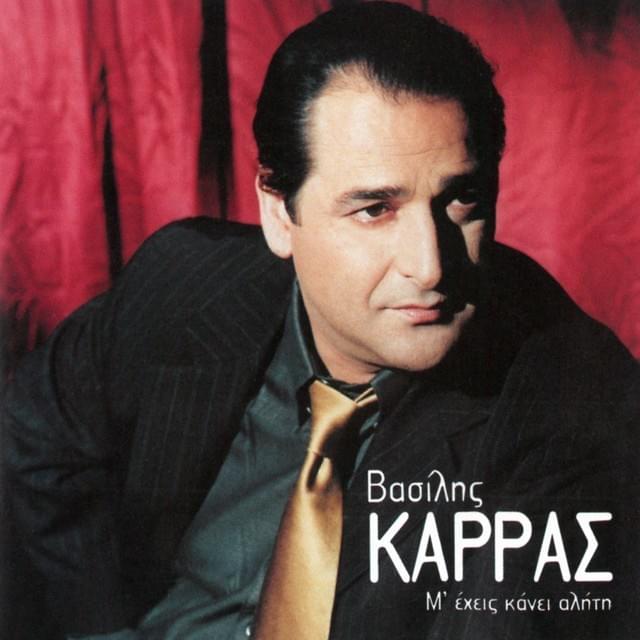
 View Artist