Song Meaning
The narrator starts by asking for a vodka and company, but with a clear warning: "μη μου πεις / Πως απ' τις άλλες είσαι διαφορετική." This immediately sets a tone of weary cynicism, suggesting a history of disappointment. The request for a drink to "σβήσει η πίκρα" (erase the bitterness) underscores a deep-seated hurt that the narrator doesn't want to be soothed by false claims of uniqueness.
The core of the song’s argument lies in a stark, almost brutal, cause-and-effect. The repeated refrain, "Γιατί αν είσαστε όλες σας σωστές / Δε θα υπήρχαν άνδρες μες στις φυλακές / Δε θα μετρούσαμε ατέλειωτες πληγές," posits that if women were truly all good or "correct," then men wouldn't be imprisoned or left with countless wounds. This isn't a gentle lament; it's an accusation, framing relationships as a battlefield where male suffering is a direct consequence of female fallibility.
The most striking craft element is the stark, almost transactional, view of intimacy. The narrator doesn't want tender words, but instead asks the companion to "Κράτα για μένα την τελευταία μαχαιριά" (save the last stab for me). This chilling request reframes the interaction: instead of seeking comfort, the narrator seems to anticipate and even accept further betrayal, viewing the present moment as merely a prelude to inevitable pain. The vodka is not for celebration, but for numbing the expected blow.
This lyrical approach is effective because it weaponizes vulnerability. The narrator’s plea for a drink and company is immediately undercut by a profound distrust, creating a tense, almost masochistic, dynamic. The repeated, unyielding logic of the chorus, linking perceived female imperfection to male suffering, leaves the listener with a potent, albeit bleak, impression of a relationship viewed through the lens of inescapable damage.
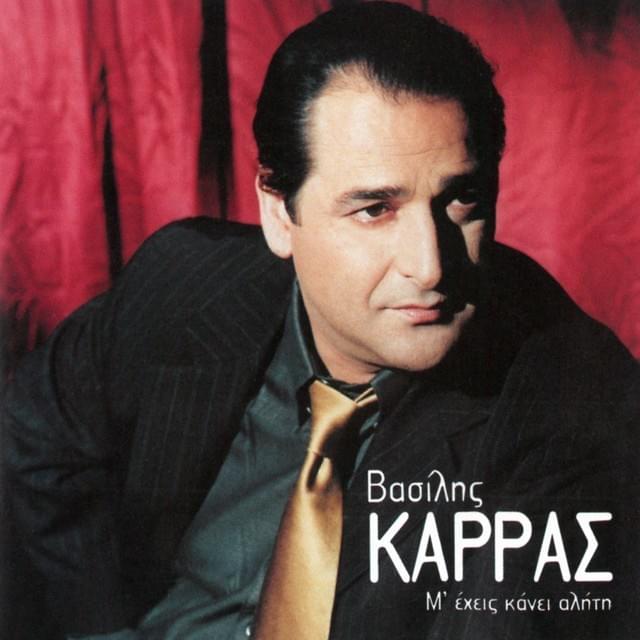
 View Artist