Song Meaning
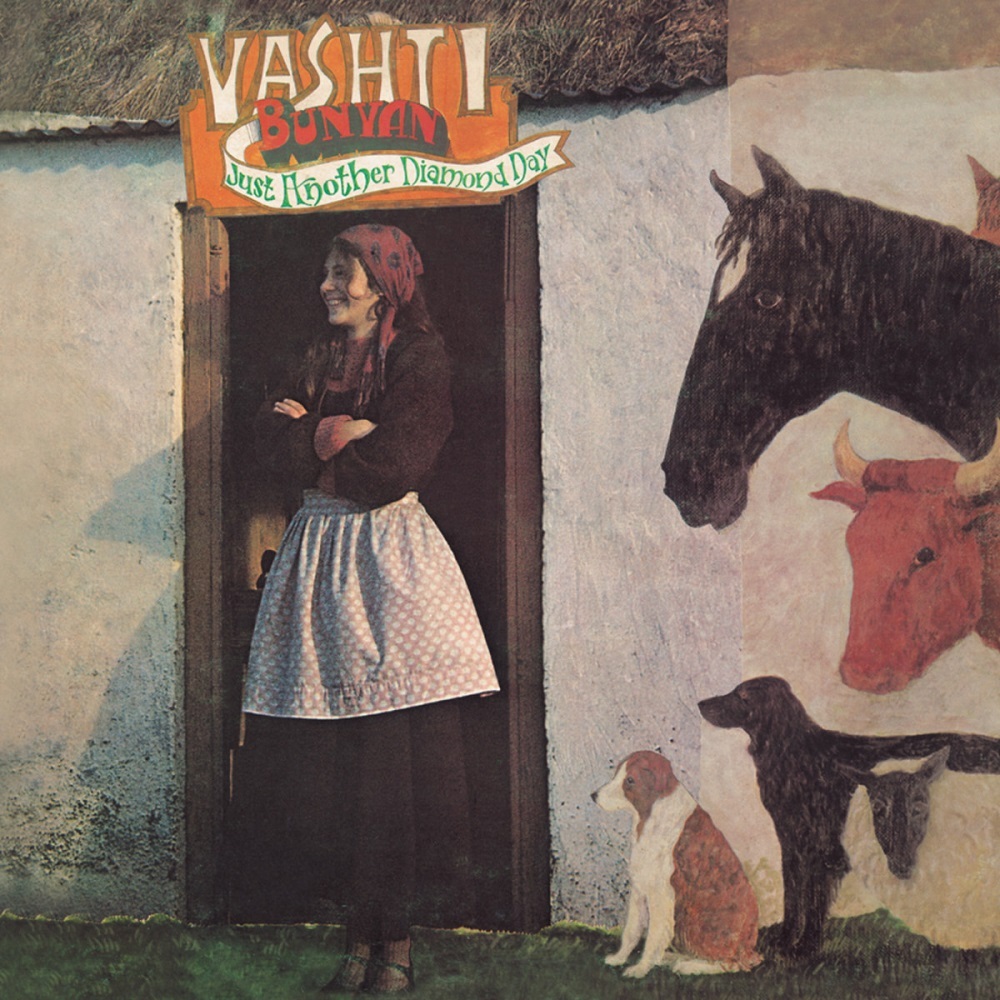
This song paints a picture of a seemingly simple, idyllic existence, where the days are "diamond days" and life unfolds with a gentle rhythm. The opening verses establish a pastoral scene, filled with natural elements like grass, hay, and fields, punctuated by the quiet passage of horses. This imagery creates an immediate sense of peace and a connection to the land, suggesting a life lived in harmony with nature's cycles. The repetition of "Just another" throughout the verses emphasizes a feeling of continuity and perhaps a humble acceptance of life's predictable flow.
The core emotional tension seems to lie in the contrast between the vastness of existence and the individual's small, yet significant, place within it. While the narrator observes "just another blade of grass" or "just a grain of wheat," these elements are vital components of a larger system that sustains life, culminating in "the children eat." This suggests that even the most seemingly insignificant parts contribute to a fundamental human need, highlighting a quiet, essential purpose.
The most striking craft element is the recurring phrase "diamond day," which elevates the ordinary into something precious and rare. It's not just any day; it's a day that shines, imbued with a special quality. This is further reinforced by the final verse, which links the act of living, speaking, and loving directly to the experience of these "diamond days." The lyrics suggest that life's value isn't found in grand gestures, but in the simple, repeated acts of existence and connection, making each day, in its own way, a gem.
Ultimately, the effectiveness of these lyrics comes from their ability to evoke a profound sense of contentment and appreciation for the mundane. By framing everyday occurrences within the context of natural cycles and essential sustenance, the song suggests that true richness lies in the simple act of living and contributing. The gentle, almost meditative repetition and imagery create a feeling of quiet joy, reminding us that beauty and value can be found in the most unassuming moments.
 View Artist