Song Meaning
The lyrics paint a picture of prolonged suffering and a desperate plea for deliverance. The opening lines, "Viikon vaivane magasin / Viikon vaivojani valitin," establish a week-long period of hardship and complaint. This isn't just a fleeting bad mood; it's a sustained state of being, a "week of my troubles." The repetition emphasizes the inescapable nature of this distress, creating a sense of being trapped in a cycle of misery.
The arrival of a powerful, almost elemental force is described with striking imagery: "Sie oot horkka tuulen tuoma / Tuulen tuoma ja vetämä." This entity, brought and pulled by the wind, arrives "Vasten meitä vaivaisia," directly confronting the suffering individuals. It's a force of nature, perhaps a personification of the troubles themselves, arriving with an almost inevitable, sweeping power.
The narrator's plea shifts from complaint to supplication, begging for "Armoa nyt mie anosin." This is a turning point, a recognition of helplessness and a direct appeal for mercy. The subsequent lines, "Etkö sie paha pakene / Etkö Liisi linnastele," suggest a desire for this negative force to depart, perhaps even a specific entity named Liisi to cease its 'nesting' or dwelling among them. The language becomes more forceful, even threatening, as the narrator declares, "Tuonne mie sinun manoan / Alle aaltojen asuvan," banishing the entity to the depths.
Ultimately, the lyrics move towards a broader appeal for salvation, invoking higher powers: "Päästä Luoja, paastä luonto / Päästä päällinen Jumala." This final invocation, repeated for emphasis, underscores the depth of the narrator's desperation. The suffering is so profound that only divine intervention, a release from both creation and the divine, can offer solace from the "lumehista, laapehista"—suggesting a release from a state of coldness, perhaps emotional or physical.
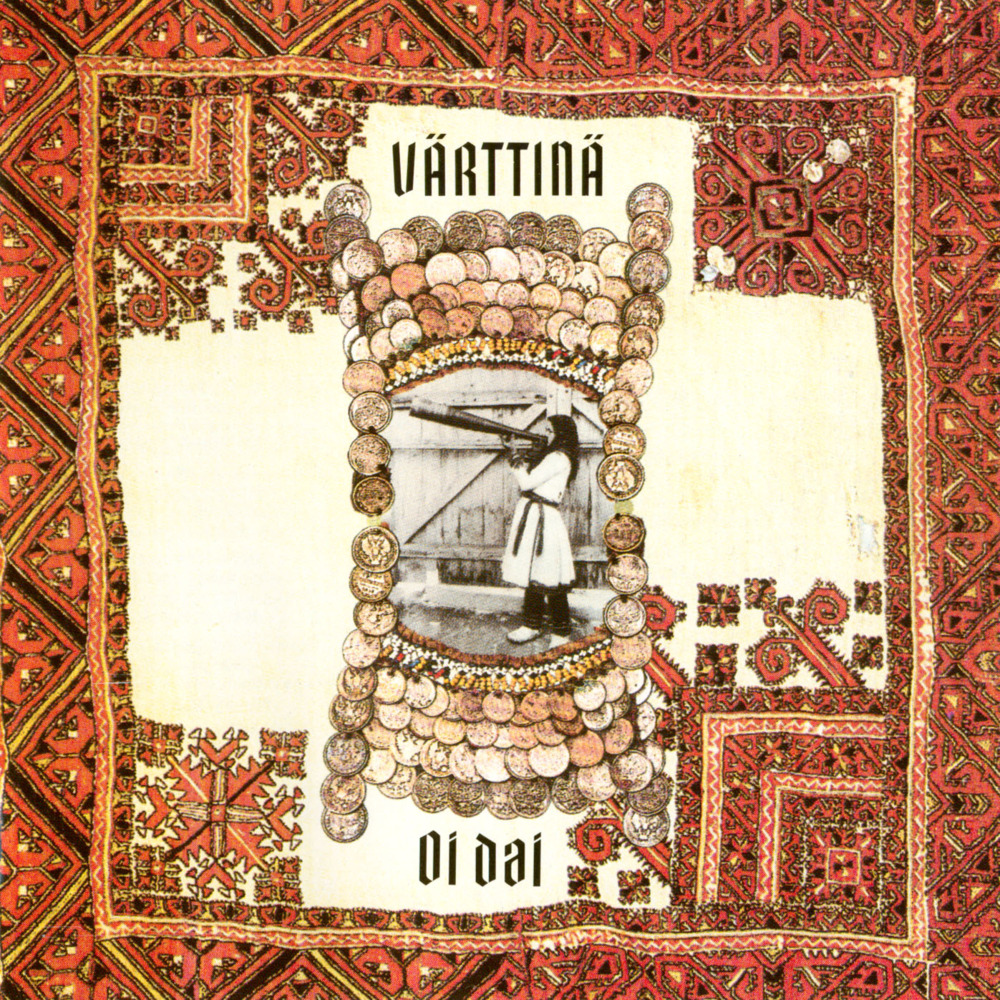
 View Artist