Song Meaning
The lyrics paint a picture of a stark, snowy landscape where a narrator is advised to travel alone at night. The repetition of "Satoi ukko uutta lunta" (Old man, new snow fell) immediately establishes a sense of ongoing, perhaps overwhelming, natural forces. This opening sets a tone of isolation against a backdrop of relentless weather, hinting at a journey undertaken under challenging conditions.
The central tension emerges from the narrator's decision to heed the advice to "Käy sie yksin yöjaloilla" (Go alone on night walks). This solitary path is contrasted with the potential dangers or unreliable figures encountered, described as "hulluille uroille" (crazy men) and "hupeloille hoitajille" (fools for caretakers). The line "Uro petteleepi ussein / Miesi valski valehtelloo" (Men often deceive / Your man lies) directly points to a distrust of others, particularly men, and the narrator's vulnerability in this solitary nocturnal wandering.
The most striking element is the abrupt shift in the final stanza. When faced with the potential for tears, the narrator declares, "En mie itke ensinnäkkää / Sillä miull on koppakenkä" (I won't cry at all / Because I have a boot). This seemingly nonsensical justification for emotional resilience is a powerful, almost absurd, assertion of self-sufficiency. The "koppakenkä" (boot) becomes an unexpected symbol of preparedness and a shield against emotional distress, highlighting a defiant, perhaps even hardened, spirit.
This lyrical construction is effective because it grounds abstract emotional states in concrete, albeit unusual, imagery. The relentless snow and the solitary night walk create a palpable atmosphere of hardship, while the final, quirky declaration of strength offers a surprising and memorable resolution. It suggests that resilience isn't always about grand gestures, but can be found in the simple, tangible things one possesses, like a sturdy boot against the cold.
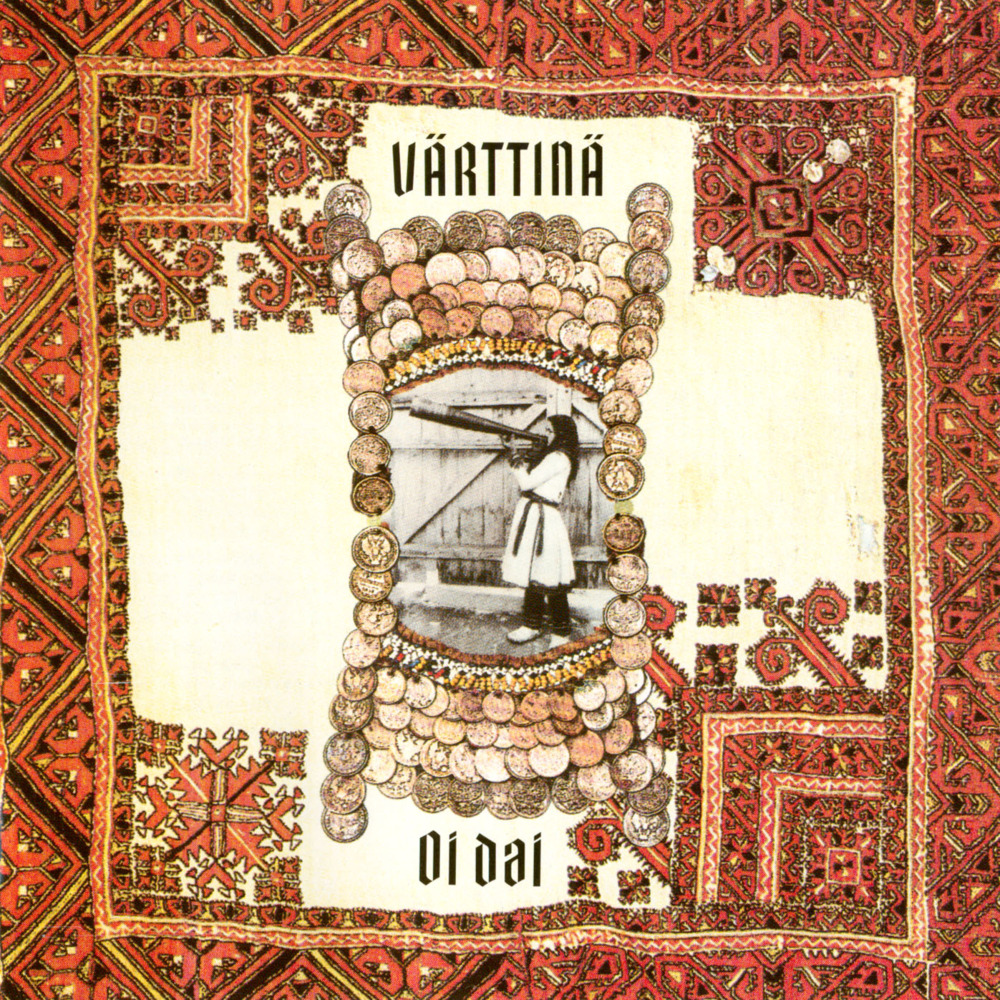
 View Artist