Song Meaning
The lyrics paint a vivid picture of a profound shift from darkness to light, from hardship to joy. The opening lines immediately establish a sense of relief, with the narrator's days no longer feeling burdensome and the long darkness finally receding. The imagery of clouds fleeing and a dark sky opening up suggests a powerful, almost cosmic, release. This sets the stage for a transformation where even the mundane becomes a source of happiness.
The central tension lies in the transition from a difficult past to a brighter present and future. Phrases like "pitkä pimeä katosi" (long darkness disappeared) and "tuulet tuimat vei viimat voimakkaat" (fierce winds took strong blizzards) highlight the struggles that have been overcome. The repetition of "Toi ilon illalle alun aamulle" (Brought joy to the evening, the start of the morning) acts as a mantra, emphasizing that this newfound happiness permeates all times, blurring the lines between evening and morning, past and present.
The most striking aspect of the writing is the subtle yet powerful inversion of typical time associations. The narrator declares, "Iltani on iloni" (My evening is my joy) and "Jopa kuluvi minun iltani / Aamuni ali menevi" (Even my evening passes / My morning goes by). This suggests a complete reorientation of perspective, where the evening, often associated with endings or rest, becomes a time of fulfillment, and the morning, typically a fresh start, is simply something that passes. The transformation is so complete that "Iloksi muuttui minun arkeni" (My everyday life turned into joy).
This lyrical transformation is deeply effective because it grounds an abstract emotional shift in concrete, albeit simple, imagery of light, wind, and time. The repeated refrain acts as a grounding force, reinforcing the pervasive nature of this newfound joy. The narrator's declaration that their
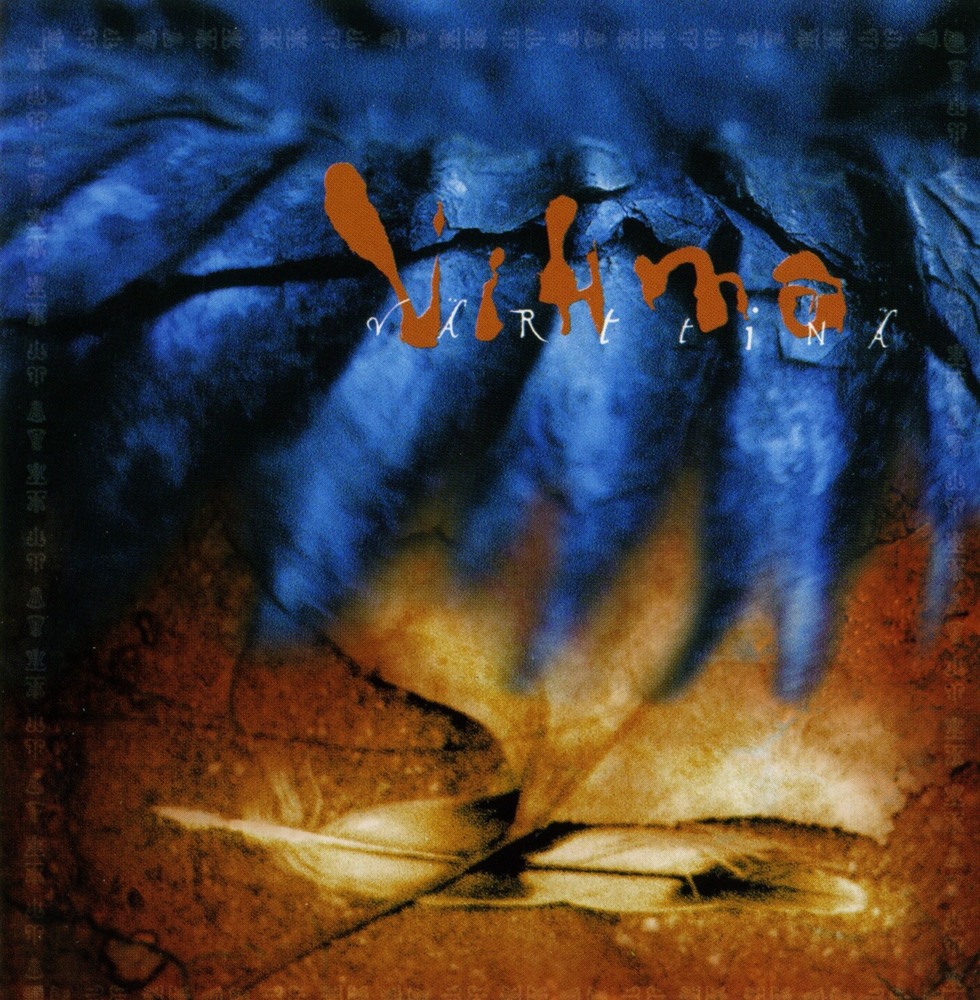
 View Artist