Song Meaning
The lyrics open with an image of pristine potential, likening humankind to a "spider's web" where a single "dewdrop" acts as a mirror, reflecting "the entirety of life." This initial scene paints a picture of inherent power and the capacity for profound understanding, suggesting a collective ability to "know the secrets of their existence" and build a "sanctuary for themselves amongst the stars." It's a vision of humanity at its most connected and capable, poised on the brink of cosmic realization.
However, this idyllic reflection is immediately complicated by the introduction of mortality. The lyrics state, "Death is built into life," a natural and even beautiful relationship, yet one that sparks an inherent resistance. This tension between life's natural end and humanity's refusal to accept it is the core conflict. The powerful phrase, "mankind rages against the dying light," captures this visceral, almost instinctual fight against oblivion, setting the stage for a radical transformation.
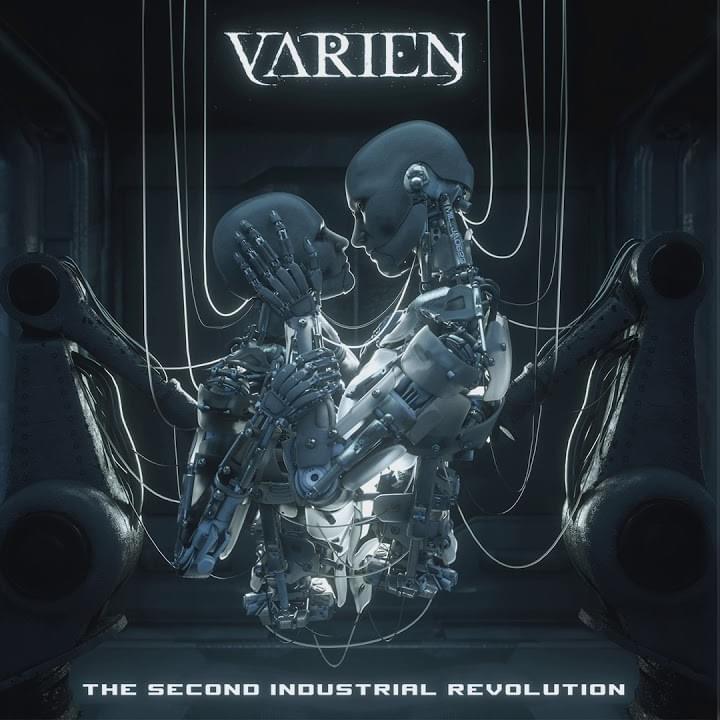
The central metaphor of "The Second Industrial Revolution" is humanity's attempt to "illumination of death itself," aiming for "the birth of the immortal." This isn't just about extending life, but fundamentally altering its nature, creating a "machine" that transcends natural decay. The initial organic, interconnected imagery of the web and dewdrop is replaced by a technological, perhaps even artificial, pursuit of immortality, suggesting a profound shift in what it means to be human.
This lyrical narrative is effective because it grounds an abstract, monumental concept like immortality in relatable natural imagery before pivoting to a stark, almost clinical, technological ambition. The contrast between the delicate "dewdrop" and the manufactured "machine" highlights the immense, perhaps even hubristic, leap humanity is poised to make. It's this juxtaposition that makes the idea of a second industrial revolution, focused on conquering death, feel both awe-inspiring and deeply unsettling.
 View Artist