Song Meaning
{"song_id": 14079371, "meaning": "Vangelis's \"Monastery of La Rábida\" isn't just a piece of music; it's an aural cathedral, a sonic meditation on faith, history, and perhaps, the fraught relationship between ambition and divine purpose. The core of the track revolves around the Latin phrase \"De profundis clamavit ad te Domine,\" which translates to \"Out of the depths, I have cried out to you, O Lord.\" This plea, a desperate call for salvation, immediately anchors the song in a space of profound spiritual yearning. The repetition of this phrase, coupled with \"Domine exaudi vocem meam\" (\"Lord, hear my voice\") and \"Et ipse redimet Israel in secula\" (\"And He shall redeem Israel forever\"), evokes a timeless sense of supplication, a reaching out to the divine from the darkest corners of human experience.
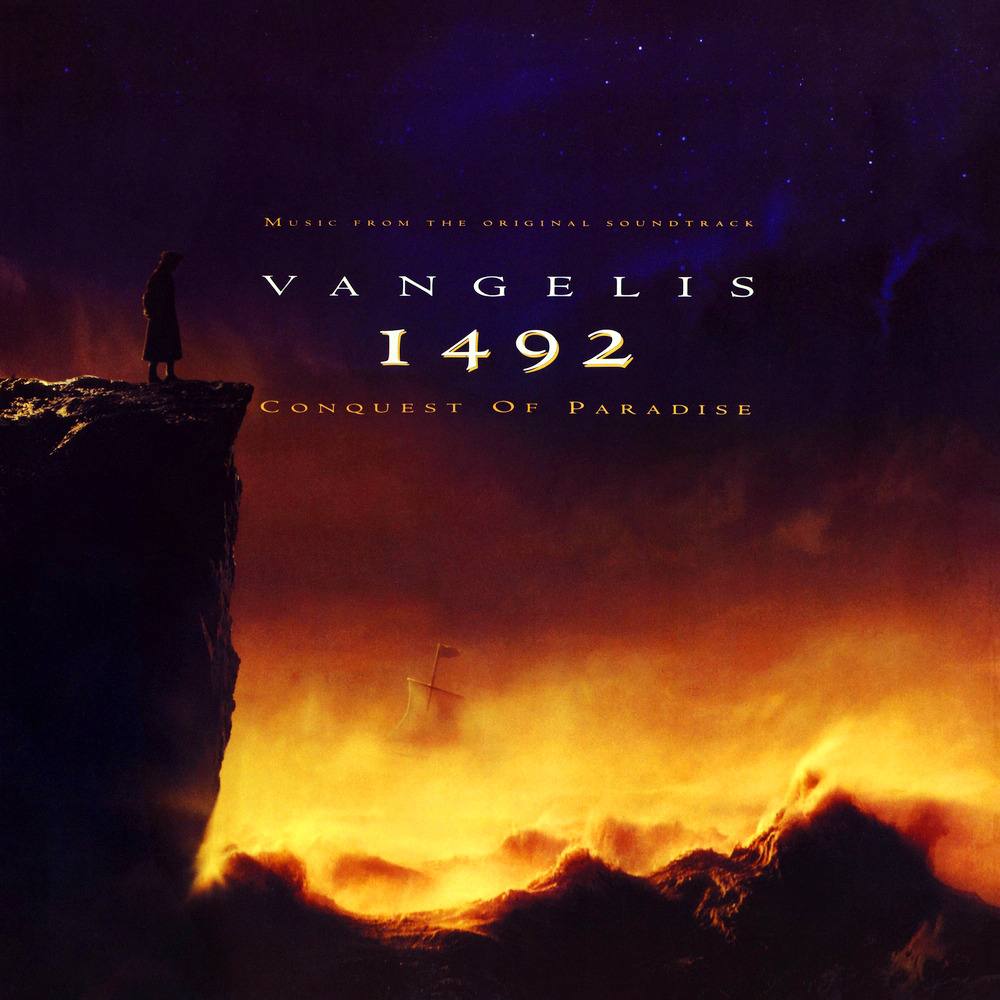
The song's title, referencing the Monastery of La Rábida in Spain, adds another layer of complexity. This monastery is historically significant as the place where Christopher Columbus stayed before his voyage to the Americas. Knowing this, the \"De profundis\" takes on a dual meaning. It's not only a personal cry for redemption, but also a potential foreshadowing of the consequences of Columbus's journey – the exploitation, the violence, and the irreversible reshaping of entire civilizations. Vangelis, known for his sweeping cinematic scores, may be subtly prompting us to consider the moral ambiguities inherent in even the most seemingly triumphant historical narratives.
Ultimately, \"Monastery of La Rábida\" transcends simple religious expression. It's a work that grapples with the weight of history, the burden of consequence, and the enduring human need for something greater than ourselves. The sparse lyrics, chanted with solemnity, create a space for reflection, inviting the listener to contemplate the depths of their own faith, their own understanding of history, and their own place within the grand, often tragic, tapestry of human existence. The song's power lies not in providing answers, but in artfully posing the questions that haunt us still."}
 View Artist