Song Meaning
{"song_id": 14079350, "meaning": "Vangelis's sonic architecture often serves as a cathedral for the soul, and while the precise context of \"Jerusalem\" within his vast discography might be debated, the song's core resonance is undeniable. It's not merely a track; it's an invocation, a battle cry disguised as a hymn. The lyrics, adapted from William Blake's poem, immediately thrust us into a realm where the pastoral idyll clashes violently with the industrial age. This juxtaposition isn't accidental; it's the engine driving the song's relentless quest for spiritual renewal. The 'dark satanic mills' aren't just factories; they represent the forces that crush the human spirit, the systems that prioritize profit over people, leaving us in emotional agony.
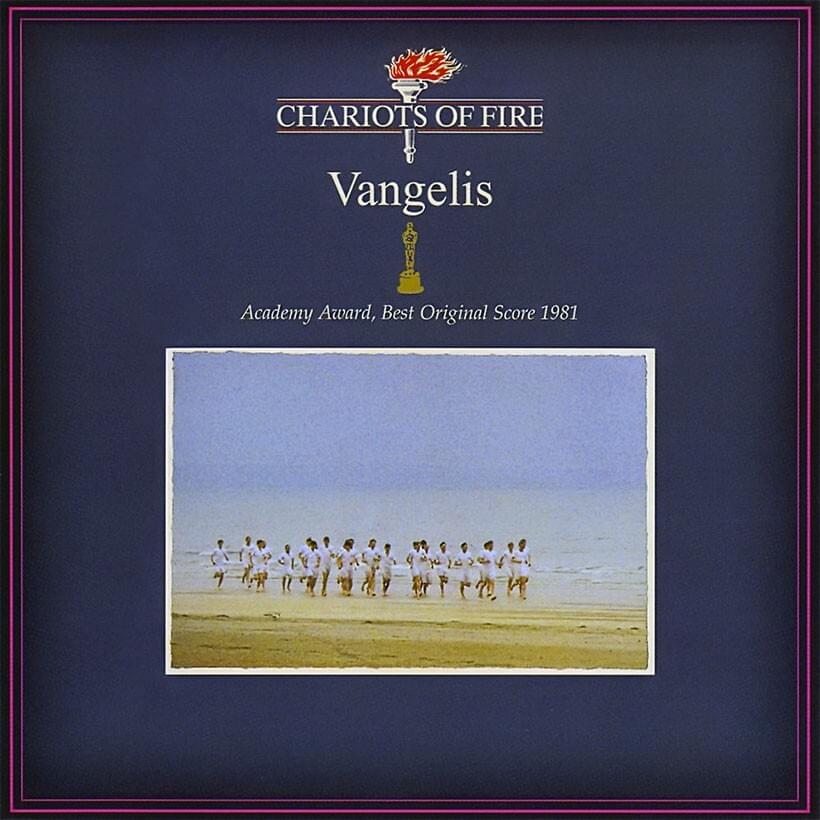
The heart of \"Jerusalem\" beats with a yearning for a lost Eden, a time when divinity was palpable in the natural world. The insistent questioning – 'And did those feet…?' – isn't seeking historical confirmation. It's a challenge, a provocation to reclaim a sense of the sacred within the mundane. The plea for weapons – 'bow of burning gold,' 'arrows of desire' – isn't a call to literal arms. Instead, it's a metaphor for the internal resources, the passion and conviction, required to wage a 'mental fight' against the forces of despair and conformity. The 'chariots of fire' symbolize divine inspiration, the unstoppable force of creative energy that can transform the world.
Ultimately, the song’s meaning resides in its unwavering commitment to hope. The refusal to cease from 'mental fight' is a testament to the enduring power of the human spirit. \"Jerusalem\" isn't just a place; it's a state of being, a vision of a world where beauty, justice, and spiritual fulfillment reign supreme. Vangelis, through his music, amplifies Blake's call to action, reminding us that the work of building a better world is never truly finished. It's a continuous process of striving, questioning, and fighting for the values we hold dear, until we have built Jerusalem in our own 'green and pleasant land' – wherever that may be."}
 View Artist