Song Meaning
This French lyric paints an intimate scene, a quiet moment of connection. The narrator's repeated requests, "Viens par ici" and "Embrasse-moi encore," establish a direct, almost urgent plea for affection. The initial "Pas comme ça" followed by "Oui, comme ça" suggests a playful, yet precise, guidance in intimacy, highlighting a desire for a specific kind of touch or feeling. It’s a scene built on simple, direct commands and affirmations.
The core tension lies in the narrator's complete surrender and desire for exclusivity. Phrases like "Tu peux faire tout ce que tu veux" and the emphatic "Je ne veux que toi" reveal a profound trust and a singular focus on the other person. This isn't just about physical closeness; it's about an emotional absorption, a feeling of being entirely consumed by the present moment and the person sharing it.
The most striking aspect is the lyrical economy. The repetition of "Tout ce que tu veux" and "Embrasse-moi encore" amplifies the intensity of the narrator's feelings without needing complex metaphors. The final declaration, "Je suis à toi," seals the sense of devotion, leaving no room for ambiguity about the narrator's emotional state. It’s a pure expression of being completely captivated.
What makes these lyrics resonate is their unvarnished sincerity. The directness of the language, the focus on immediate sensation, and the clear expression of desire create a powerful sense of vulnerability and deep affection. The simplicity here is the strength, allowing the raw emotion of wanting and belonging to take center stage.
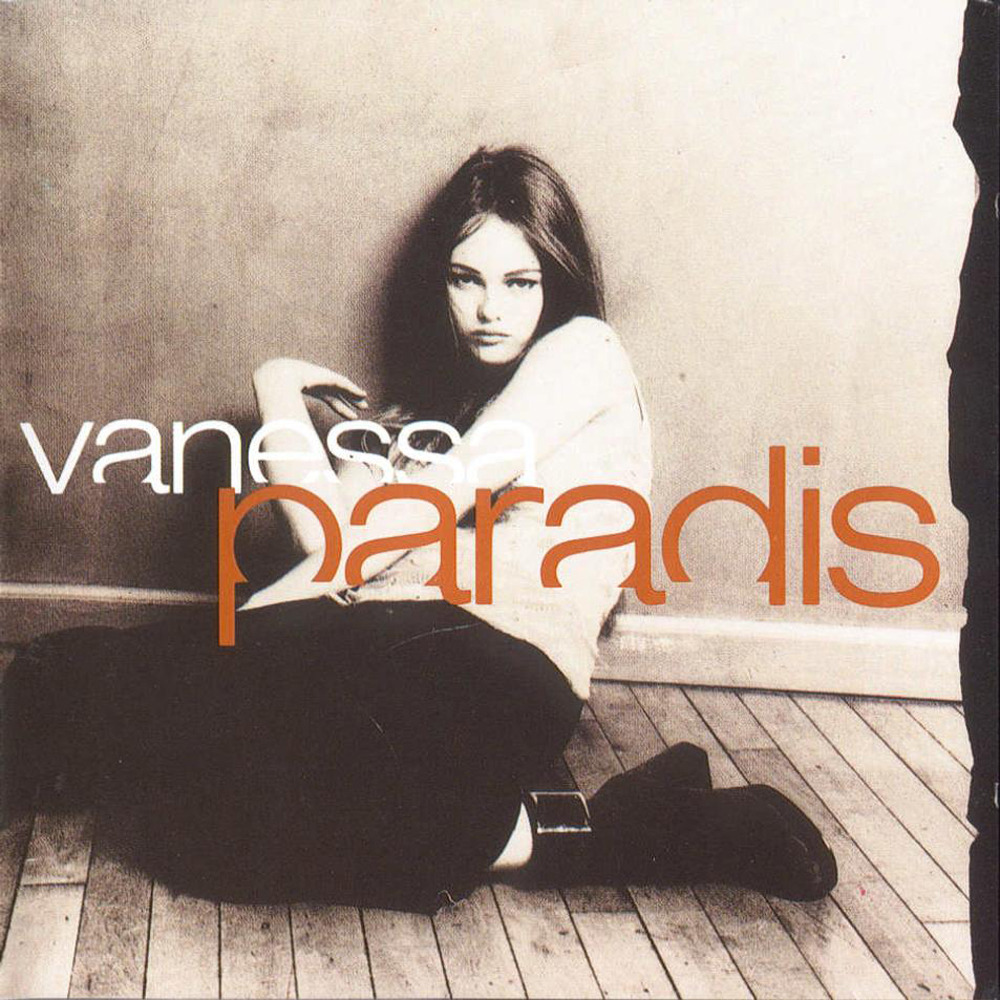
 View Artist