Song Meaning
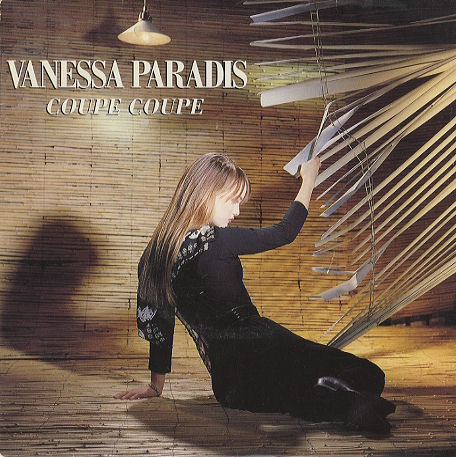
This track paints a vivid picture of relentless labor, centered around the act of cutting. The repeated phrase "Coupe dans la brousse, coupe dans les bois" establishes a primal, physical scene. The narrator is urged to "Just cut, hey brother," emphasizing a shared, almost communal, burden of work. The lyrics immediately link this action to a specific task: harvesting sugarcane, where "couper c'est ton boulot" (cutting is your job) and the goal is to get to the sweet "sucre" (sugar).
The central tension arises from the duality of this cutting. It's both a necessary, back-breaking job –breaking chore, as the "machette te casse le dos" (machete breaks your back), and a metaphorical act of liberation. The lyrics suggest cutting through "la tristesse" (sadness) and "la nuit qui dure" (the long night), implying that this physical exertion is a means to overcome emotional hardship. The imagery of the "grand soleil" (big sun) and "grand amour" (great love) turning around the narrator hints at a hope or a reward that fuels this continuous effort.
The most striking element is the persistent repetition of "coupe" and the direct address "brother," creating a sense of solidarity in struggle. The transformation of the physical tool, the "fer forg" (wrought iron), into something "sucr" (sugared) is a powerful metaphor. It suggests that the very instrument of hardship can yield sweetness, or that the labor itself becomes imbued with the desired outcome. The lyrics also juxtapose the mundane "roseaux" (reeds) with the flowing "sucre," highlighting the hidden potential within the raw material.
This song hits hard because it grounds abstract feelings like sadness and long nights in the concrete, visceral act of cutting. The insistent rhythm and the direct, almost urgent, commands make the listener feel the weight of the labor. It’s effective because it shows how even the most grueling work can be framed as a path toward something sweeter, a way to "cut" through darkness and find the sugar that flows from it.
 View Artist