Song Meaning
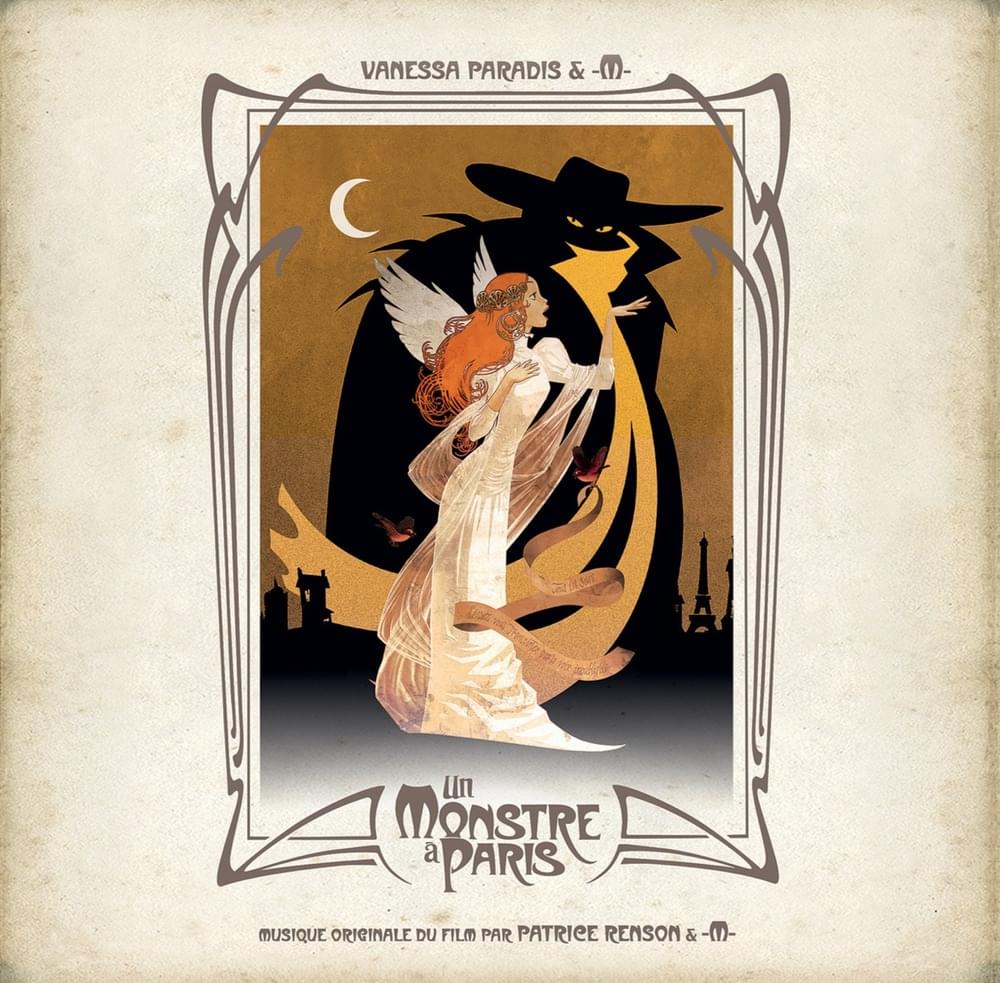
The narrator crafts a deliberate persona, a shadowy figure cloaked in dark attire – a black coat, red scarf, and hat – to conceal their true self. This outward presentation is a shield for a vulnerable heart, a defense mechanism born from a deep-seated fear of rejection and heartbreak, expressed through the repeated anxieties "Qu'il ne se lasse / Qu'il ne se casse." The lyrics immediately establish a tone of guardedness and isolation.
The central tension arises from the narrator's self-perception as an outcast, a "monstre à Paris." This feeling is amplified by external validation, or rather, the sensationalized public perception, as they read in the newspaper "Un monstre à Paris." The refrain, with its insistent repetition of "Je suis à part," underscores this profound sense of otherness and the feeling of being exposed and misunderstood, especially as they "Apparu à Paris vers minuit."
The most striking aspect of the craft is the juxtaposition of profound inner pain and the act of artistic creation. The narrator hides their sorrow "Sur ces mélodies / Sur ces quelques notes," suggesting that music itself is both a refuge and a means of survival, a way to "sauvent ma vie." This transforms the act of singing or composing into a desperate, yet beautiful, act of self-preservation, a way to conceal hopes that might otherwise "s'envolent."
Ultimately, the lyrics resonate because they articulate the universal fear of not belonging and the ways we construct defenses to protect our most vulnerable parts. The narrator's transformation of personal anguish into the very thing that defines them in the public eye – a "monstre" – is a powerful, albeit melancholic, statement on identity and the masks we wear, especially when we feel most alone in a crowded city.
 View Artist