Song Meaning
The lyrics paint a picture of intense, almost desperate devotion, where the narrator is willing to undertake any task, no matter how grand or demeaning, for the object of their affection. The opening lines establish a sense of subservience, suggesting the narrator has been "made slave" by the other person, yet frames this as a willing sacrifice. The core promise, "You said this I'd do for you," is echoed by the narrator's own declaration, "Then I would," highlighting a reciprocal, albeit unequal, dynamic of commitment.
The central tension lies in the narrator's absolute willingness versus the implied, perhaps impossible, demands placed upon them. The phrase "give the world back what it gave" hints at a cosmic or monumental exchange, a debt that can only be repaid with extreme measures. This is amplified by the acknowledgment that their "eyes are crazy eyes," a self-awareness that perhaps acknowledges the irrationality of their devotion, yet they remain steadfast, stating, "I would do anything if I could."
The most striking element is the stark contrast between the grand pronouncements of sacrifice and the mundane, almost bureaucratic list of "A man from the government / A man from the taxi boat / A man in the public school." These fragmented images suggest that even the most ordinary, perhaps even tedious or corrupt, aspects of life are within the scope of what the narrator would endure. The relentless repetition of "I would for you" throughout the song, especially in the latter half, transforms the promise from a declaration into an incantation, a mantra of unwavering commitment.
This unwavering, almost blind devotion is what makes the lyrics so potent. The narrator’s willingness to face any circumstance, from the abstract "world" to the concrete "public school," underscores a profound, perhaps self-destructive, loyalty. The song captures that feeling of being so consumed by love or admiration that the self dissolves, leaving only the desire to fulfill any perceived need or demand of the beloved.
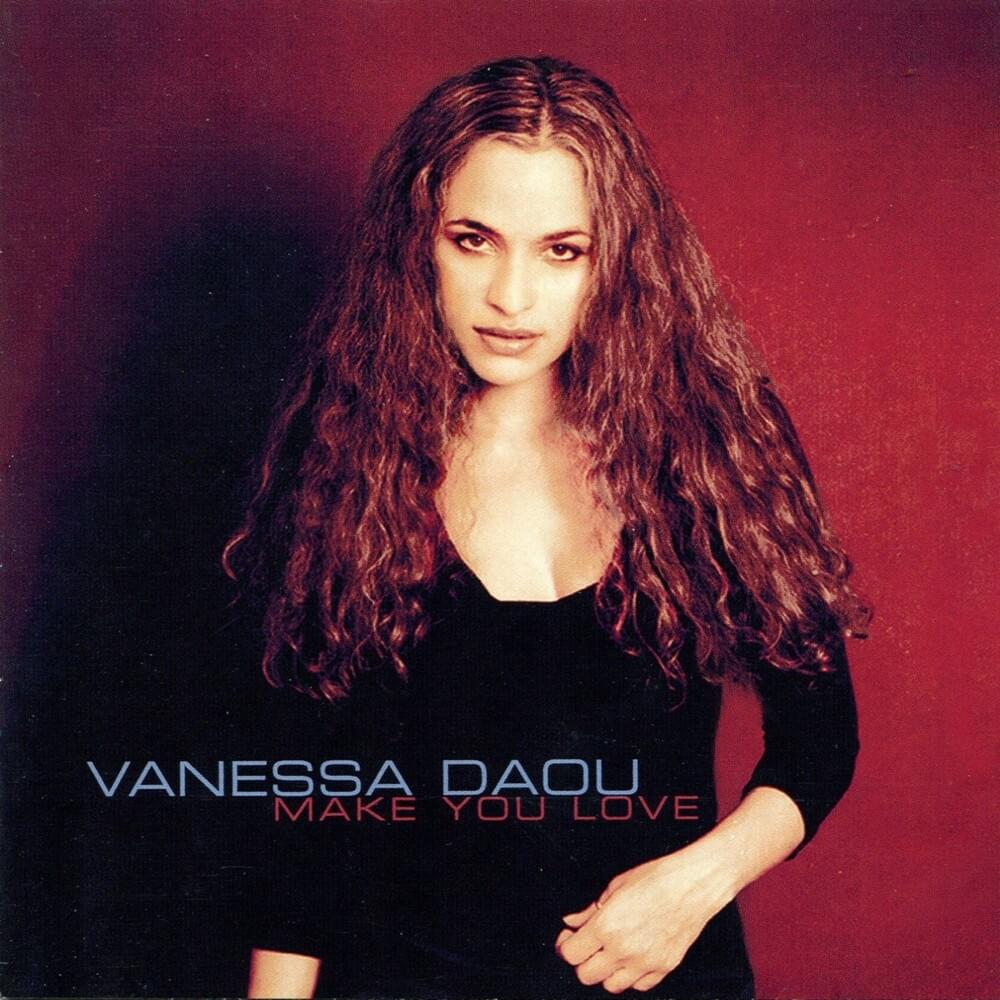
 View Artist