Song Meaning
The narrator declares a bold lack of fear regarding extraterrestrial encounters, contrasting it with a deep-seated anxiety about everyday human interactions and commitments. They're "afraid of commitment," "parties and engagements," and even the concept of "rehab," finding these social structures baffling. This fear isn't about external threats, but the internal pressure and confusion that arise from navigating relationships and societal expectations, leading to a feeling of perpetual unease. The repeated phrase "I just never feel alone, alone" suggests a constant, perhaps unwanted, internal presence or a pervasive sense of being observed, even in solitude.
The core tension lies in this inversion of fear: the vast, unknown cosmos represented by "aliens and ufo's" is less frightening than the intimate, unpredictable landscape of human connection. The narrator is "confused by my heart," questioning its very existence and function, and finds solace "in the dark." This suggests a profound discomfort with vulnerability and emotional exposure, preferring the safety of the unknown over the potential pain of intimacy. The repeated assertion "I am not afraid of aliens and ufo's" becomes a defiant shield against the anxieties that truly plague them.
The lyrics cleverly use the grandiosity of space travel as a metaphor for escaping earthly anxieties. The bridge, recalling a childhood memory of a girl "shooting off to mars," hints at a desire for escape and a time when imagination offered a refuge. This childhood fantasy contrasts sharply with the adult narrator's current struggles, suggesting that the perceived safety of the "aliens and ufo's" is a projection of a longing for a simpler, less complicated existence. The narrator's insistence on not being afraid of them seems to be a way of asserting control over the uncontrollable, a coping mechanism against the very real, very human fears that grip them.
Ultimately, the song's power comes from this relatable paradox: the external, fantastical threats are less terrifying than the internal, emotional ones. The repeated, almost mantra-like chorus about aliens serves as a desperate attempt to convince oneself of bravery in the face of overwhelming social and personal anxieties. It’s a poignant portrayal of how the imagined can sometimes feel safer than the real, especially when the real involves the messy, confusing business of being human and connecting with others.
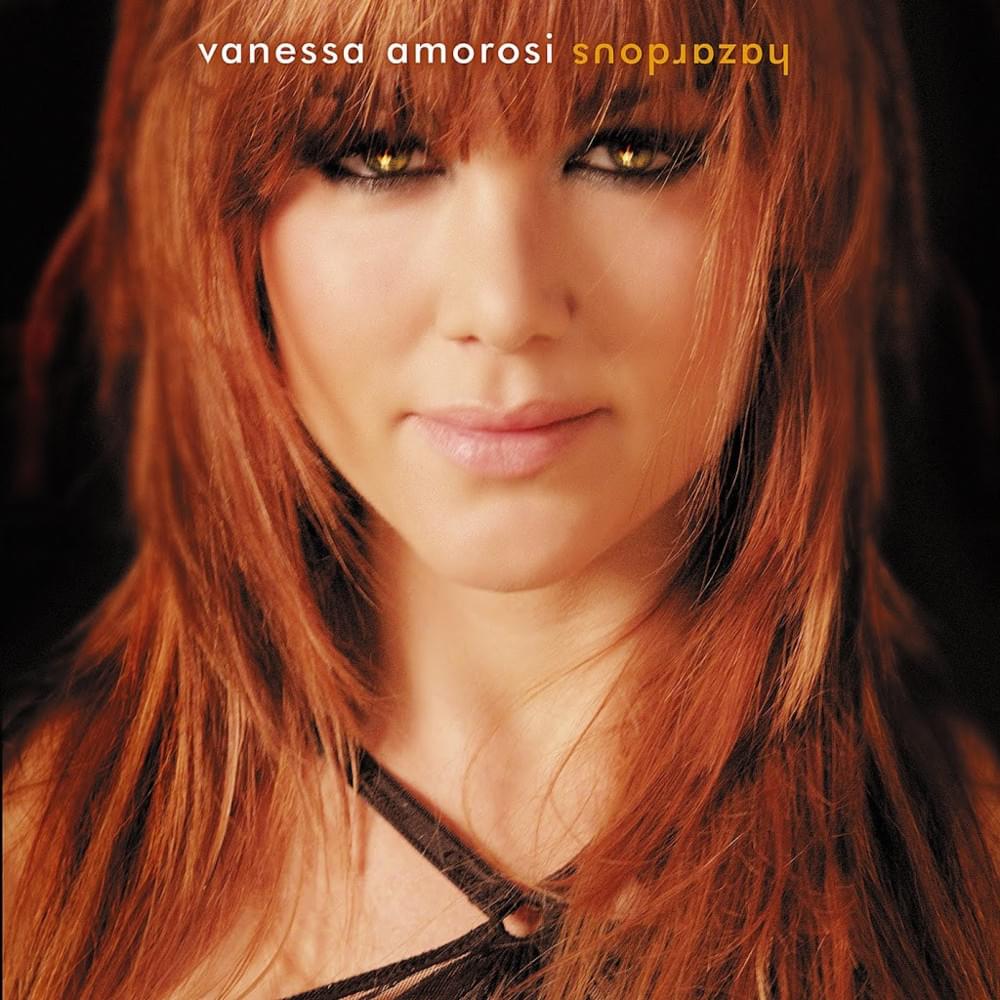
 View Artist