Song Meaning
The narrator arrives "drunk on love," a state that feels heavy with the past and tinged with the scent of tobacco. This isn't a fresh, innocent infatuation; it's a seasoned, perhaps jaded, intoxication. The "honey" in her eyes, sipped from "other lips," suggests a history of romantic encounters, implying this current state of being "drunk on love" is built on past experiences, not necessarily a new, pure feeling. She carries the "bitter truth" that freedom itself can be a form of condemnation, hinting at a complex relationship with independence and choice.
This leads to a core tension: a desire for genuine connection versus a self-protective weariness. The narrator expresses a willingness to be present if wanted, but with a firm boundary: "if not, turn around." She's clearly done with games, stating emphatically, "I'm not going to lose my head." This isn't a plea for affection but a declaration of self-preservation, a refusal to be emotionally destabilized by uncertainty.
The lyrics employ a striking contrast between surrender and control. While her "shoulders fall" as if giving in to weariness, the repeated chorus asserts a strong will to avoid emotional chaos. The imagery of stumbling, "giving tumbles," and finding the person unexpectedly highlights a sense of fate or chance, yet her final stance is one of deliberate choice. She acknowledges the possibility of getting "entangled" or continuing to drink "your oblivion," but ultimately chooses to hold her ground, refusing to let her head spin.
What makes these lyrics resonate is their raw portrayal of post-experience love. It's not about the giddy rush of a new crush, but the complex, almost weary state of being deeply affected by love after having navigated its complexities. The narrator's directness and firm boundaries, born from past stumbles, create a powerful sense of self-possession amidst emotional vulnerability, making her declaration of not wanting to "lose her head" feel earned and deeply felt.
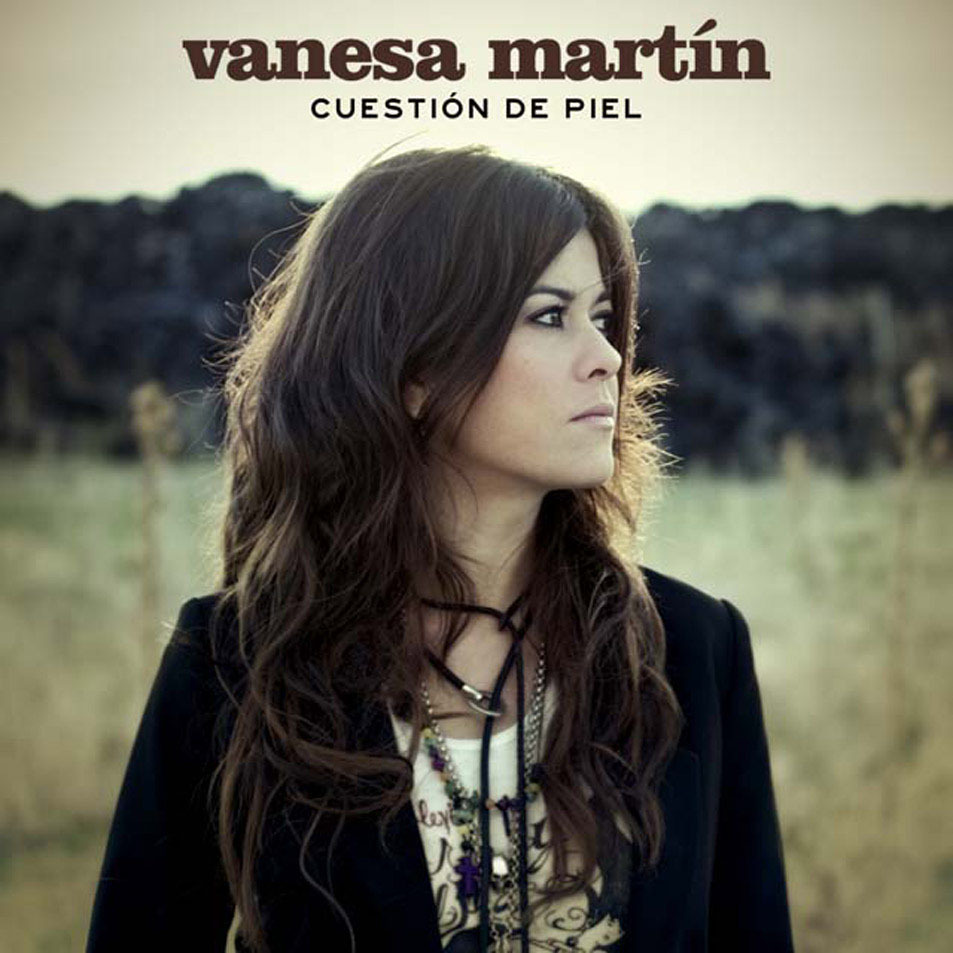
 View Artist