Song Meaning
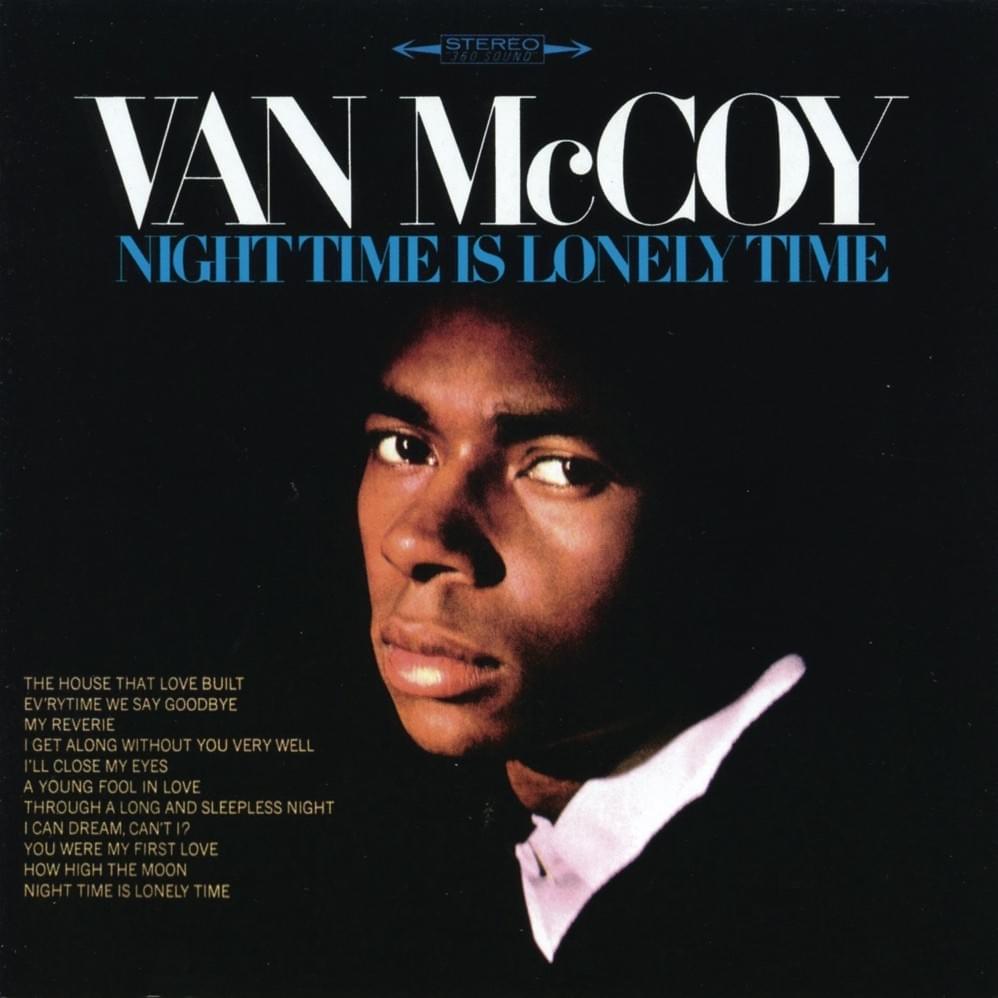
Van McCoy's "Night Time Is Lonely Time" isn't just a song; it's a masterclass in melancholic atmosphere. Stripped down to its emotional core, the track captures the raw nerve of solitude that night invariably exposes. McCoy isn't merely stating a fact; he's inviting us into the heavy-lidded, slow-motion world of someone grappling with loss, where the absence of light amplifies the ache of a missing lover. The "nightingale sounds her lonely call," and in that echo, we find a mirror to the narrator's own lament. The lyrics paint a picture of a mind adrift, "chasing memories we've known," lost in a "twilight zone" of remembrance. It's a space where the past isn't just remembered, but relived, making the present all the more unbearable.
The stark simplicity of the lyrics is deceptive. Phrases like "From dusk till dawn, time just seems to crawl" aren't just clichés; they're visceral representations of how grief warps our perception of time. The night becomes a prison, each hour a reminder of what's been lost. The question, "How can I face my heart / When I know I still love you?" isn't rhetorical. It's a genuine plea, an admission of vulnerability that cuts through the carefully constructed facade of emotional control. McCoy understands the psychology of heartbreak, how the mind replays scenarios, searching for a different outcome, a way to rewind the clock.
Ultimately, "Night Time Is Lonely Time" is a testament to the power of vulnerability. The final declaration, "For it's the only time / I cry," is perhaps the most poignant. It suggests a conscious effort to maintain composure during the day, to mask the pain from the outside world. But when night falls, the defenses crumble, and the tears flow freely. The song's meaning resides not just in the words, but in the unspoken understanding of the listener, in the shared experience of knowing what it feels like to be truly alone with your thoughts, wrestling with the ghosts of yesterday.
 View Artist