Song Meaning
The narrator enters a space, perhaps a metaphorical one, seeking a definitive end – "looking for the morgue" – but instead finds a self-contained, inescapable state. This "dead end entrance" traps them in a cycle of "living lifeless with no exit," where the only available path is inward, leading to "only self reflection." The initial search for an external resolution has been replaced by an internal, unavoidable confrontation.
The core tension arises from the contrast between a perceived past freedom and the current confinement. The narrator recalls a time when they "had my ruin to feed on," suggesting a destructive but perhaps more engaging existence. This is immediately undercut by the realization that it was "only an illusion of freedom," highlighting the deceptive nature of their previous state. The present, though seemingly devoid of external options, is presented as a consequence or perhaps a necessary stage.
The most striking aspect is the paradoxical nature of this confinement. It's a "cell without key," emphasizing its inescapable quality, yet this very state "gives birth" to a "new world." This suggests that the forced introspection, though painful, is generative. The call to "make right with the elements" and "revisit the interior" indicates a process of internal reconciliation and acceptance, moving from a desperate search for an external end to an internal reckoning.
This lyrical passage resonates because it captures the disorienting feeling of hitting a personal rock bottom, only to find that the "bottom" is a mirror. The initial desire for a dramatic conclusion is subverted by the quiet, relentless demand for self-examination. The effectiveness lies in its stark, almost bleak imagery that paradoxically points towards a potential for renewal through confronting one's own internal landscape, transforming a perceived prison into a crucible for change.
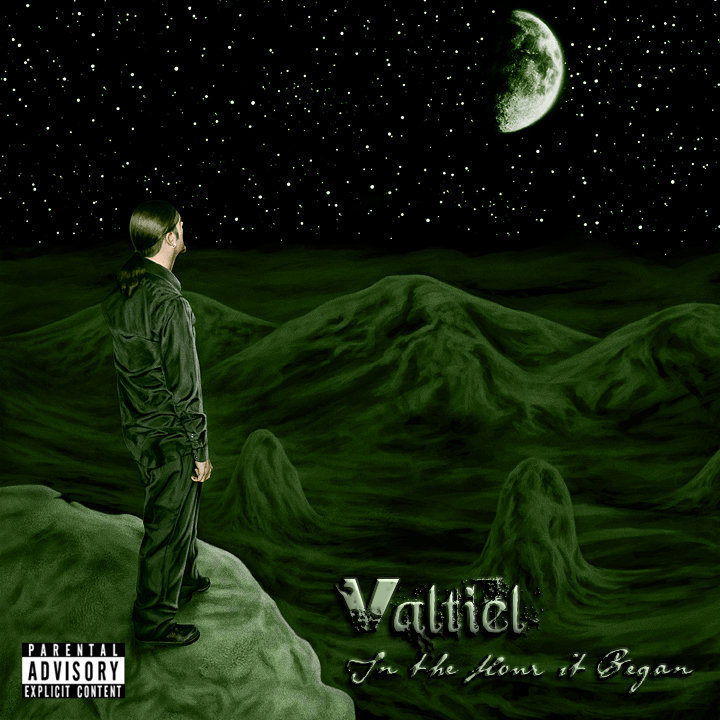
 View Artist