Song Meaning
The lyrics paint a picture of sleeplessness personified as a persistent companion. The narrator is kept awake not by typical anxieties, but by the lingering, almost hypnotic effect of someone's words, which are described as "lulling" yet preventing sleep for "three months." This creates an immediate sense of weary intimacy with the state of being awake.
The central tension lies in the narrator's complex relationship with this "insomnia," whom they address directly as a "beauty" and "lawless one." There's a strange affection, even a plea, in the question "Don't I sing well for you?" suggesting a co-dependent dynamic where the narrator feels they are performing for, or perhaps even pleasing, their sleeplessness.
The craft here is in the personification. Insomnia isn't just a condition; it's a "lawless beauty" with a "motionless face" that the narrator "recognizes." The "white curtains" and "blue twilight" set a scene of quiet, almost sacred, nocturnal space, making the insomnia feel like a shared, albeit unwelcome, guest. The repetition of "insomnia, my insomnia" in the chorus hammers home this feeling of ownership and inescapable connection.
This lyrical approach is effective because it transforms an abstract ailment into a tangible, almost romantic, entanglement. The narrator's resigned yet affectionate address to their sleeplessness makes the experience feel less like a struggle and more like a peculiar, enduring relationship, highlighting the emotional weight of persistent wakefulness.
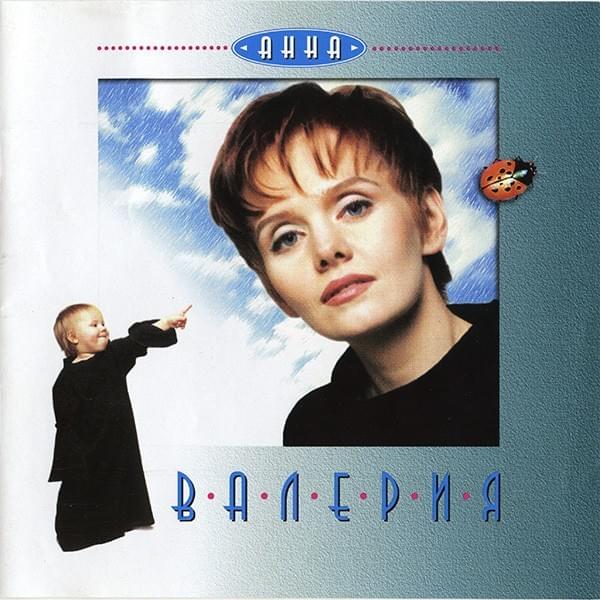
 View Artist