Song Meaning
The narrator paints a picture of a life intertwined with a loved one, set against a misty riverbank where an owl cries. There's a yearning to simply 'live with you,' letting go of words and following the lines of their palms, as if guided by fate. This desire is framed as a simple question: 'Is it really that hard?' This sets up a core tension between a deep, almost fated connection and an external force seemingly denying its possibility.
The central conflict emerges from a whispered message from above: "You can," but crucially, "not fate." This external pronouncement creates a poignant divide between what feels possible on an intimate, personal level and what is deemed permissible by a higher power or destiny. The repeated questioning, 'Is it really that hard? Is it impossible, or is the soul too weak?' underscores the narrator's struggle to reconcile this divine veto with their own perceived capacity for love and connection.
The lyrics cleverly use the imagery of "arm lines" – the lines on one's palm – as a metaphor for destiny or a predetermined path. The narrator wishes to live "by the lines of the hand," suggesting a desire to follow a fated course. Yet, the divine whisper introduces a paradox: the possibility exists, but it's not written in the stars. This creates a profound sense of helplessness, where the narrator questions whether the obstacle lies in the external decree or an internal failing – a weak soul.
This song resonates because it taps into the universal frustration of facing seemingly insurmountable barriers to happiness, especially when the path forward feels so clear and natural. The contrast between the intimate, almost tangible desire for connection and the abstract, disembodied voice of fate creates a powerful emotional ache. The persistent, almost desperate questioning leaves the listener contemplating the nature of destiny and the limits of human will when confronted with what feels like an unchangeable decree.
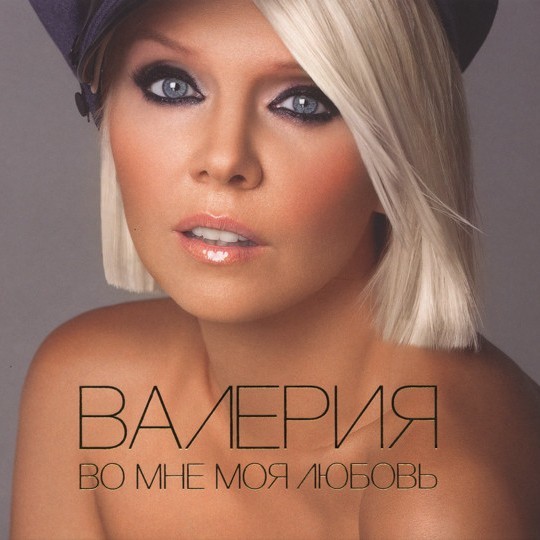
 View Artist