Song Meaning
This song is a vibrant ode to the island of El Hierro and its people, painted with a joyful, almost childlike exuberance. The opening and recurring "Lirantirirí / Alantiririnana" acts like a playful, nonsensical refrain, setting a tone of pure, unadulterated celebration. It’s the sound of pure delight, like a spontaneous hum or a happy shout echoing across the landscape.
The lyrics paint El Hierro as a place of immense beauty, despite its small size, where its inhabitants live lives filled with "placer dichoso" – blissful pleasure. This isn't just a description; it's an affectionate portrait, highlighting the pride and contentment found in this specific locale. The song then expands its embrace, shouting out "viva la / La Villa y El Barrio / Golfo, Pinar y Asofa" and "el pueblo de Sabinosa," listing specific places and affirming a collective sense of belonging and local pride.
The most striking element is the narrator’s personal declaration of vitality at eighty-three years old. They assert their well-being and continued ability to participate in life, specifically mentioning their "rondalla" (a musical group) and performing as they did sixteen years prior. This personal testament grounds the broader celebration of the island in a deeply human, enduring spirit, suggesting that the joy of El Hierro is not just in the scenery but in the resilient, active lives of its elders.
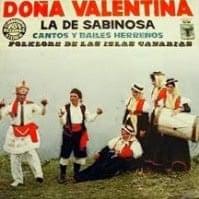
Ultimately, the lyrics achieve their emotional impact through a direct, unvarnished expression of love for a place and its culture, culminating in the specific mention of "Valentina el tango herreño." This final image ties the island's identity to a particular musical form, suggesting a rich, living tradition. The song works because it feels like a genuine, heartfelt toast, a personal and communal affirmation of a cherished home.
 View Artist