Song Meaning
The narrator opens with a boastful, almost defiant, assessment of his life, listing the pleasures he's enjoyed: women, money, and the attention of a band. He frames these as gifts from God, suggesting a life lived to the fullest, surrounded by good things and good times. This initial swagger sets a tone of abundance and perhaps a touch of excess, hinting at a man who believes he's earned his pleasures and is enjoying them without reservation. He seems to have everything he desires, from romantic conquests to financial freedom and the thrill of gambling.
The core tension emerges as the narrator pivots from celebrating his material and sensual wealth to confronting his mortality. He acknowledges the superficiality of his earthly possessions, noting that he spends his money on wine and women, and even gives to the poor. This suggests a fleeting grasp on his riches, a recognition that they are meant to be spent rather than hoarded. The real desire surfaces in the final stanza: a wish to converse with death itself, not out of fear, but out of a pragmatic curiosity about what awaits him beyond this life.
The most striking craft element is the stark contrast between the narrator's worldly success and his ultimate concern. He details a life filled with earthly delights, yet his final thought is about the potential absence of these very things in the afterlife. The phrase "Quiero charlar con la muerte" (I want to chat with death) is a powerful, almost casual, approach to a profound encounter. It frames death not as an end, but as a potential conversation, a negotiation even, about the terms of his continued existence and the potential loss of his cherished pleasures.
This lyrical approach is effective because it grounds a universal fear in specific, tangible desires. The narrator isn't lamenting lost love or missed opportunities; he's worried about the potential lack of "mujeres ni vino" (women nor wine) in the next world. This relatable, almost humorous, concern about losing the good life makes the contemplation of death feel less abstract and more deeply personal, highlighting the human tendency to cling to what brings us joy, even in the face of the inevitable.
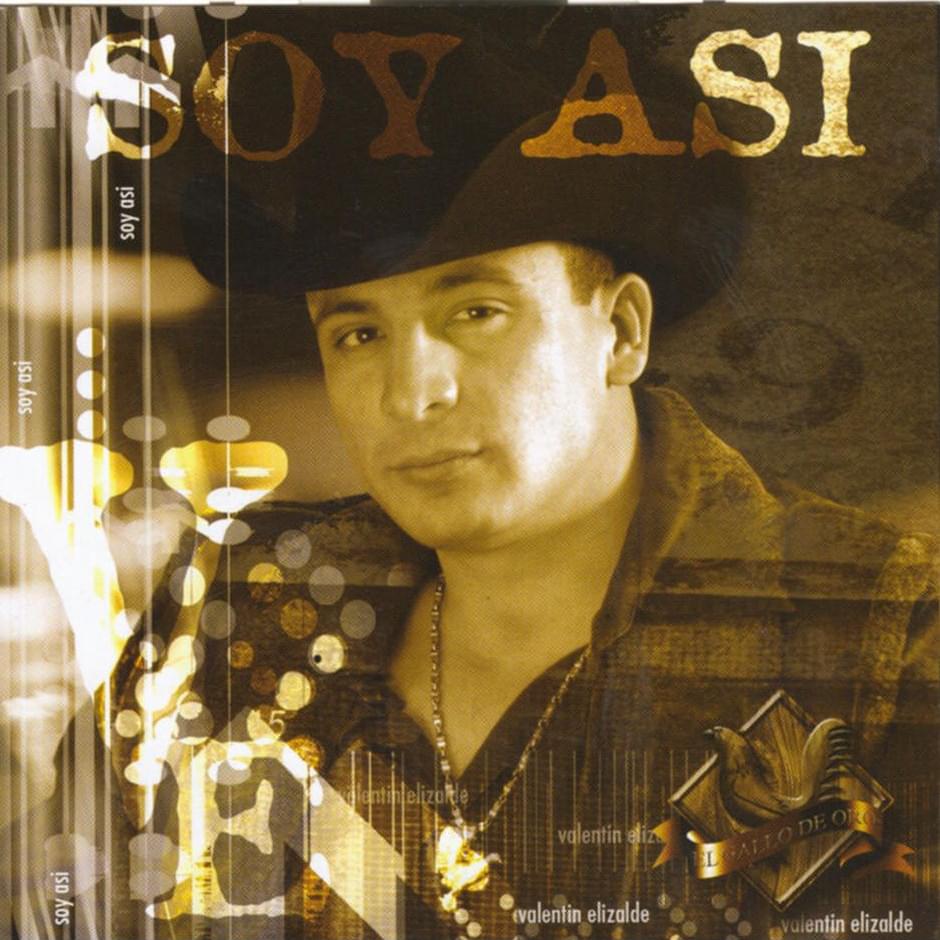
 View Artist