Song Meaning
The lyrics paint a hazy picture of a late-night encounter, steeped in a sense of fading memory and emotional ambiguity. The narrator and another person have stayed up all night, but the specifics are lost, leaving only a vague impression. This immediate sense of disorientation sets a tone of uncertainty about the relationship's meaning and trajectory, even as the other person has made a significant effort to be there. The repeated line, "I don't remember much," acts as a refrain for this pervasive forgetfulness.
The core tension lies in the push and pull between connection and detachment, understanding and confusion. There's a mutual acknowledgment of presence – "I understand you when you call on me" and "You understand me when I call on you" – yet this understanding is immediately undercut by a sense of distance and self-interest. The narrator and the other person seem to see through each other, aware of each other's positions but perhaps not truly connecting on a deeper level. This is amplified by the recurring image of the car being "still on," suggesting a readiness to leave or move on.
The most striking element is the cyclical nature of forgetting and remembering, particularly in the outro: "Forget enough to love what you remember." This suggests a deliberate strategy for maintaining a relationship or a connection, where selective amnesia is necessary to hold onto the positive aspects. The lyrics imply that perfect recall might be detrimental, and that a certain amount of mental housekeeping is required to preserve affection. The repetition of this phrase hammers home the idea that this is not an accidental state but a conscious, albeit perhaps unhealthy, approach to relationships.
Ultimately, the effectiveness of these lyrics stems from their raw portrayal of emotional fog and the quiet desperation it breeds. The narrator grapples with a connection that feels both present and ephemeral, using the metaphor of the idling car to represent a state of suspended animation. The final lines offer a poignant, if unsettling, resolution: the need to actively forget in order to love, highlighting the complex and often contradictory ways people navigate intimacy and memory.
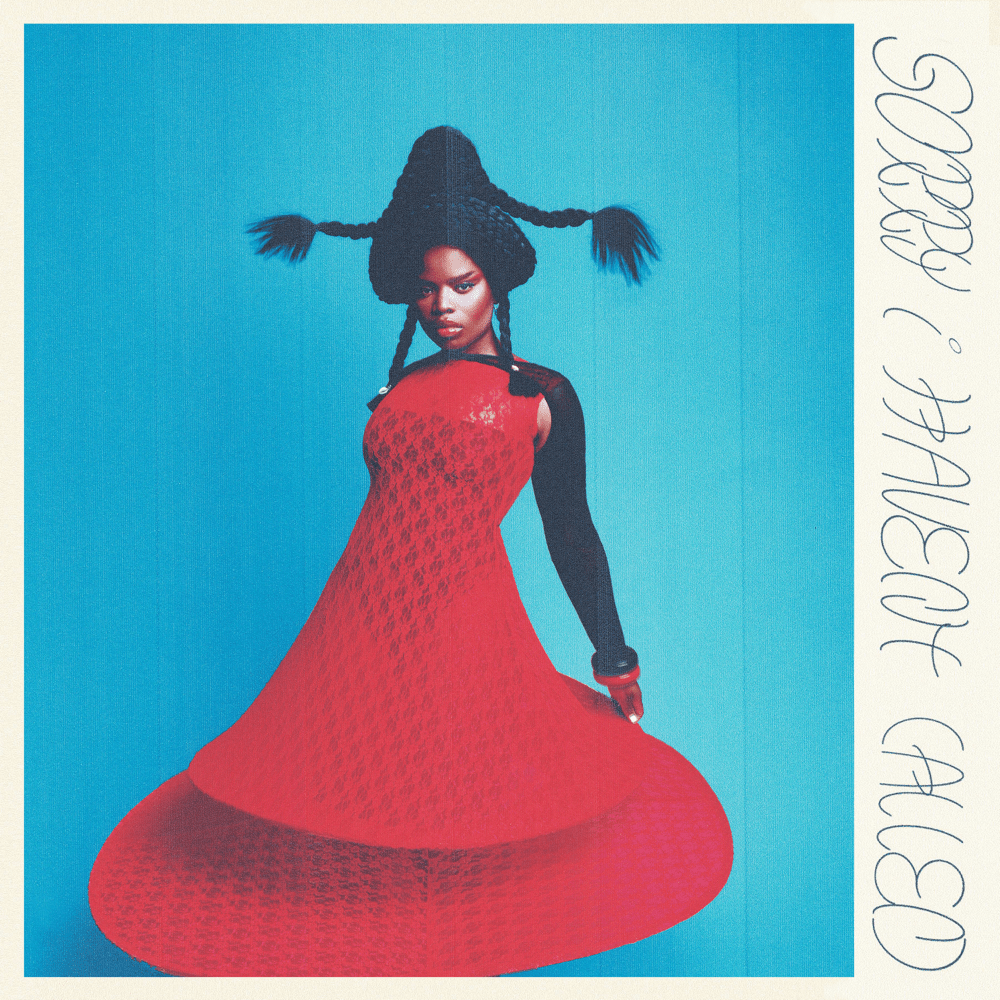
 View Artist