Song Meaning
The lyrics paint a stark picture of urban decay and internal collapse, presenting a city consumed by an overwhelming, apocalyptic force. A "massive blue calendar" suggests a predetermined end, with the "occupant" meticulously charting "lines of terror" across a "city that keeps shifting." This isn't just physical destruction; it's a psychological landscape where "spectral bicycles speed and ride" and the "fog devours and spits," creating a "new geography of the mind." The imagery evokes a sense of disorientation and dread, as if the external world is mirroring an internal unraveling.
The dominant tension arises from the juxtaposition of control and chaos. The meticulous charting of terror implies an attempt to understand or even manage the impending doom, yet the city itself is unstable, and the fog actively reshapes reality. This struggle is mirrored in the internal landscape, described as "prostitution in memories" and "secret desires without redemption." The past is not just fading but actively collapsing, leading to a desperate, primal urge for regression, a "return to the womb."
The most striking element is the personification of the sea as a powerful, reclaiming entity. The repeated phrase, "The sea came in at last," acts as a powerful refrain, signifying an inevitable, cleansing, or perhaps annihilating force. It's presented as a finality, "to claim all that is hers" and "to flood all sorrow and pain." This suggests a surrender to an overwhelming power, one that offers a form of absolution by erasing everything, both the good and the bad.
This lyrical construction is effective because it grounds abstract anxieties in concrete, albeit surreal, imagery. The apocalyptic calendar, the shifting city, and the devouring fog create a palpable atmosphere of dread. The ultimate resolution, the sea's arrival, offers a grim but strangely comforting sense of closure, a final erasure that promises to end the suffering by ending everything else. The lyrics capture a feeling of being overwhelmed by forces beyond control, both external and internal, and finding a peculiar peace in that surrender.
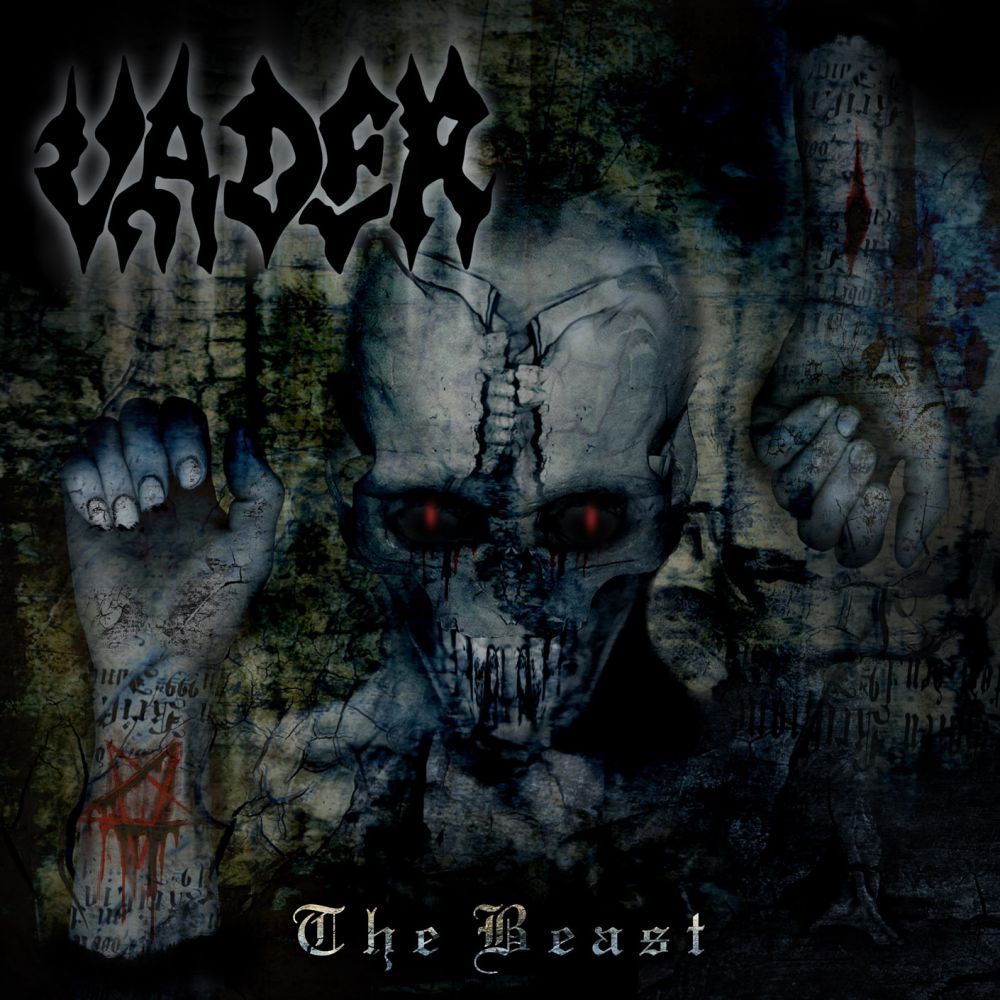
 View Artist