Song Meaning
The lyrics paint a stark picture of profound personal disintegration, moving from a sense of impending change to a complete loss of self. The opening lines, with their talk of "forthcoming transformation" and "endless being," quickly devolve into a disturbing physical and mental state: an "ominous face and twisted body," where "everything upside down" leads to a feeling of being "half-life, half-dead." This isn't just a bad day; it's a catastrophic unraveling.
This descent is framed as a search through a desolate landscape, a "maze of pain" filled with "weird kingdoms" and creatures born of "sin and wounds." The experience is isolating, as "no one give credence" to the internal "nightmare." The repeated phrase emphasizes a profound disconnect, a sense that the narrator's inner torment is invisible and unbelievable to others, leaving them utterly alone in their suffering.
The most striking element is the final revelation of the "stranger in the mirror." This isn't a simple case of seeing a new reflection; it's the culmination of a spiritual and existential crisis. The search through "ruins" and "spiritual dimensions" has led not to clarity, but to a complete alienation from oneself, a loss of identity so profound that the person staring back is unrecognizable, a "stranger" looking for a lost "flesh" that is no longer there.
Ultimately, the power of these lyrics lies in their unflinching portrayal of internal collapse. The shift from abstract transformation to visceral horror, coupled with the theme of unacknowledged inner turmoil, creates a deeply unsettling and resonant portrait of a self lost in a desolate inner world. The final image of the mirror crystallizes this existential dread, making the internal fragmentation terrifyingly tangible.
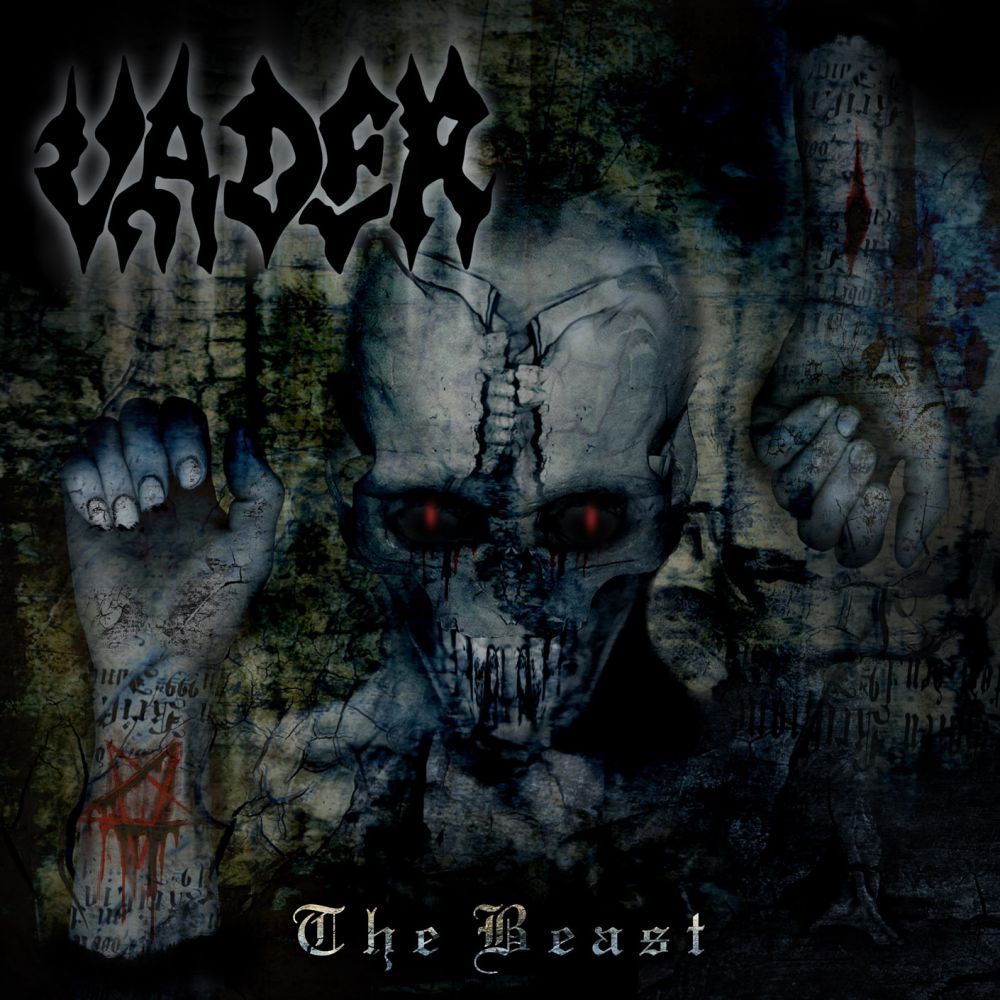
 View Artist