Song Meaning
The lyrics present a stark, apocalyptic vision, beginning with a tripartite landscape of Hell, Heaven, and a "Grand Mystery." This initial imagery establishes a cosmic order, albeit one with clear divisions of damnation and salvation. Hell is vividly depicted with "burning tar" and "ice," populated by monstrous devils, while Heaven is a "city of gold and honey" filled with "joyful" saints. This contrast sets up a dramatic tension, immediately disrupted by the abduction of "pious and innocent youths" from Heaven to Hell by flying devils, an act seemingly ignored by divine guardians like Uzza and the Aeons. This jarring event introduces a profound sense of cosmic injustice and divine indifference, suggesting that the established order is not only flawed but actively failing.
The central conflict emerges from the subversion of traditional religious iconography and the collapse of divine protection. The narrator, identifying as "Black Moses," witnesses the ultimate breakdown of heavenly authority. Heaven itself is "on fire," and even figures like "St. Peter" and "Jesus" are depicted as being "slaughtered with no mercy," their blood turning to dust without "meaning of rebirth." This radical deconstruction of salvation narratives culminates in the destruction of God's domain, with the gates to God tumbling down and God himself being dragged before a dark, powerful entity. The imagery here is deliberately shocking, designed to dismantle any comforting notions of divine omnipotence and benevolent oversight.
The most striking aspect of the craft is the radical reinterpretation of religious figures and the narrative's relentless descent into chaos. The introduction of "Black Moses" as the narrator, a figure associated with liberation, here serves as a witness to ultimate destruction rather than salvation. The juxtaposition of traditional holy figures with brutal violence and the emergence of powerful, seemingly antagonistic female deities like "Barbelo's daughter" wielding an "axe" creates a disorienting and unsettling effect. The final image of the narrator drinking the "milk of the Black Goddess" and crying over mankind suggests a profound despair and a grim acceptance of a history ending in darkness, a stark departure from any promised redemption.
These lyrics achieve their potent emotional impact through a deliberate shattering of sacred imagery and a relentless, unflinching depiction of cosmic failure. The narrator's pronouncement of "Black Moses is my name" acts as a dark, ironic counterpoint to the biblical Moses, framing this vision not as a path to freedom but as an end to all history. The raw, violent imagery and the complete collapse of divine order create a sense of profound existential dread, forcing the listener to confront the possibility of a universe devoid of ultimate justice or meaning, leaving only sorrow for a fallen mankind.
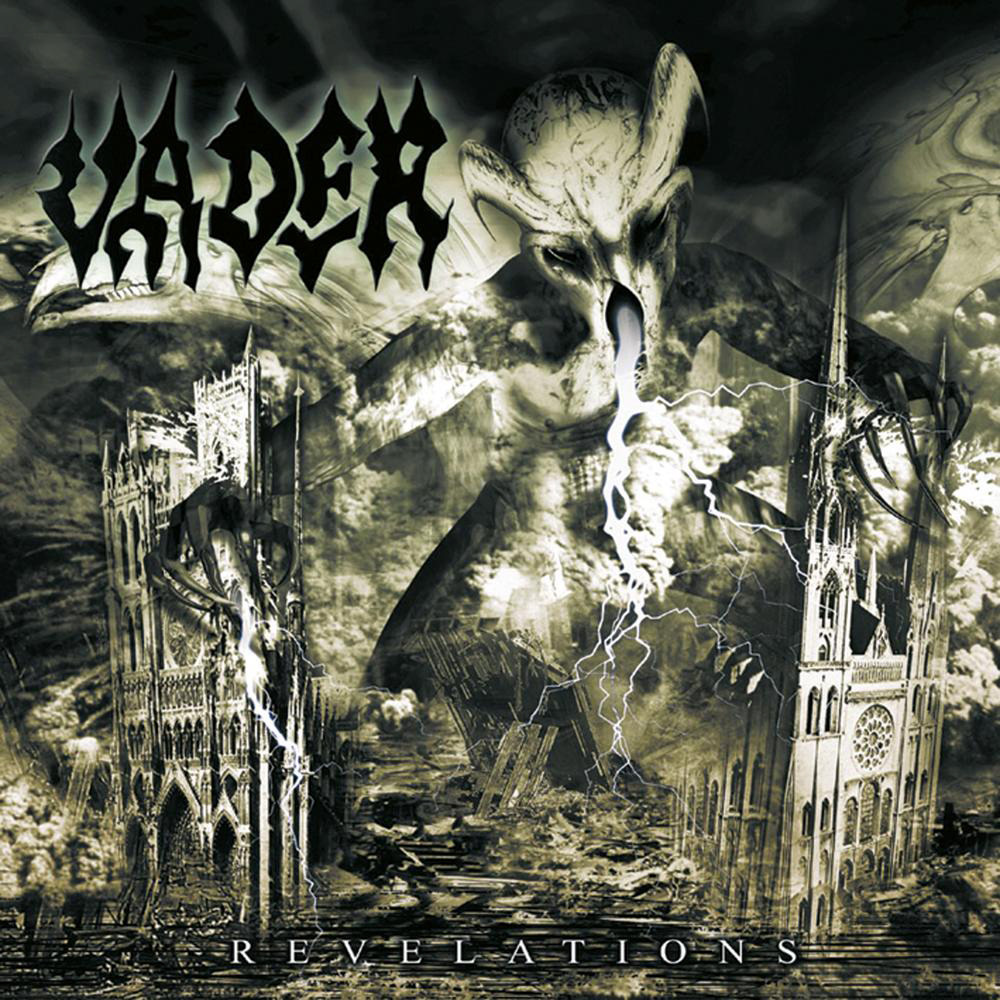
 View Artist