Song Meaning
The lyrics paint a grim picture of a fall from power, a descent into a state of irreversible shame and disgrace. The opening lines immediately establish a sense of entrapment, a "gate to madness" locked by "shame." This isn't a temporary setback; it's a permanent state, a "veil" that can't be lifted. The narrator observes this downfall with a detached, almost clinical eye, noting the "thirst for disgrace" and the chilling finality of the emperor's demise.
The central tension lies in the contrast between past glory and present ruin. The "emperor" is "killed," his "throne has gone," yet the repetition of "Dethroned emperor" suggests a lingering presence or a persistent state of being. The imagery shifts from the abstract "veil of shame" to the concrete "scaffold of steel," grounding the abstract concept of downfall in a stark, physical reality. The "light of the day" is juxtaposed with "shadows from beyond," further emphasizing the loss of clarity and the embrace of darkness.
The lyrics employ stark, almost brutal imagery to convey the finality of this dethronement. The "emperor is killed" and the "throne has gone" are blunt statements of fact, but the subsequent lines introduce a disturbing psychological element. The "king sits, his eyes are glass," suggesting a vacant, unseeing stare, a shell of his former self. The "laughter's fall" and "remaining cries" hint at a mocking or indifferent universe witnessing this collapse, a universe where "existence and hate" are the only constants.
This relentless focus on irreversible loss and the chilling detachment with which it's described creates a potent sense of dread. The repetition of "Dethroned emperor" acts like a tolling bell, a constant reminder of a power irrevocably lost and a dignity shattered. The lyrics don't offer solace or a path to redemption, instead presenting a stark, unvarnished depiction of absolute ruin.
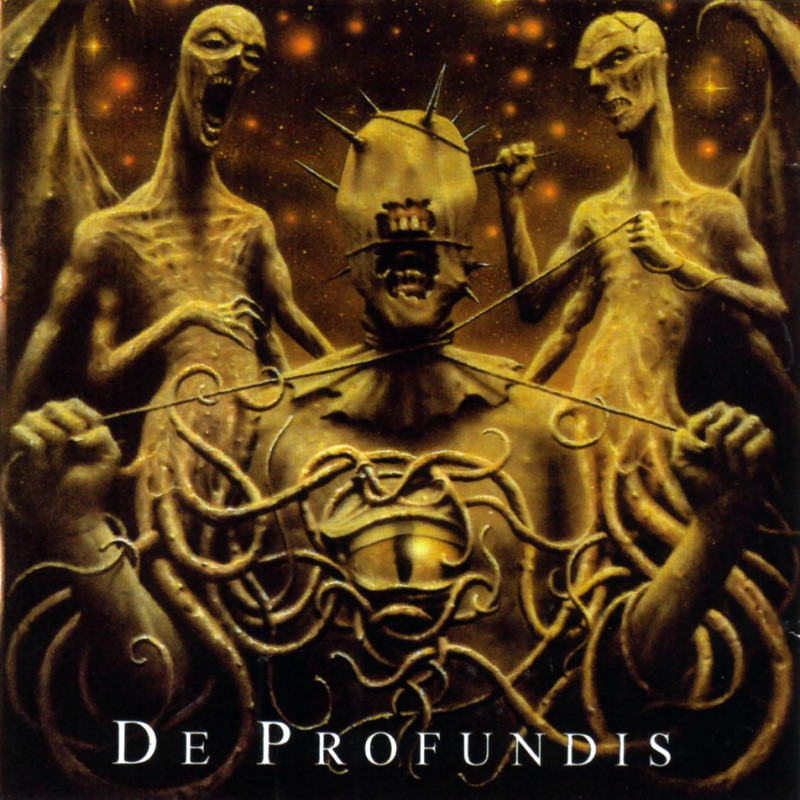
 View Artist