Song Meaning
Born in the cracks of laid concrete, a wild flower pushes through. This image immediately sets a tone of resilience against an artificial, unyielding environment. The narrator seems to be grappling with a similar struggle, feeling their own dreams dissipate into the air, unfulfilled. The era is described as "unnatural and vivid," suggesting a superficial brightness that masks a deeper search for personal meaning and value.
The core tension lies in the desire to break free from a suffocating present and find a path forward. The lyrics reject "withered time," emphasizing a need to discover the "future." There's a powerful image of strength in the face of adversity: the flower blooming in a "frozen winter." This natural force becomes a source of inspiration, a belief to hold onto as the narrator seeks their own way.
The craft highlights the contrast between external pressures and internal resolve. Words feel like they "cram in," distorting the heart, suggesting a loss of authentic self under societal expectations. Yet, the desire is not for mere comfort, but for transformation: "to be able to change." The key to escaping this mold is found "in this hand," pointing to an internal locus of control.
Ultimately, the lyrics resonate through their depiction of enduring spirit. The narrator, like the wild flower, refuses to be broken by harsh winds, declaring "I don't want to lose yet." The commitment to a "path believed in" until its "unseen end" captures a profound sense of determination. This unwavering resolve, drawing strength from the natural world's tenacity, is what makes the message so potent.
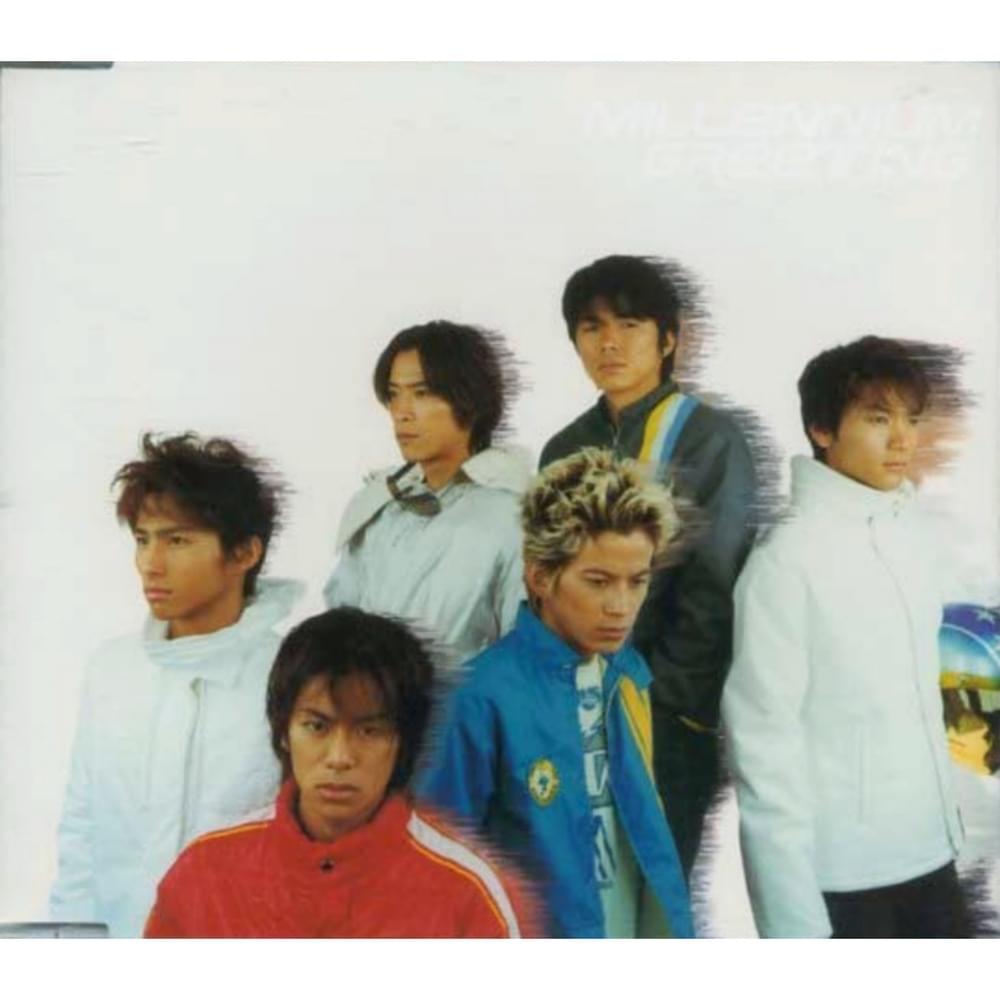
 View Artist