Song Meaning
The lyrics paint a stark picture of love curdling into hate, a transformation the narrator desperately wants to halt. It opens with the raw admission that love can become "too heavy," leading to a rejection of understanding and a descent into animosity. This initial sentiment sets a tone of disillusionment, suggesting a world where genuine connection is constantly threatened by superficiality and avoidance of difficult truths. The narrator observes this pattern, noting how even promises between two people can fade unnoticed in a "distorted dilemma era."
The central tension arises from the struggle to maintain genuine connection in a world that seems to actively push people apart. The lyrics describe a cycle of breaking down and building up understanding, only to leave those hard-won insights behind. There's a profound sense of loss, a feeling of having reached a "final state" of decay. Even when confronting difficult realities, the narrator feels an inescapable pull downwards, a recurring image of falling that haunts their attempts to escape.
A striking element is the recurring motif of covering up unpleasant truths, the "rotten real" that poisons interactions. This is juxtaposed with the idea that true love is found not in avoiding weakness, but in acknowledging it to become stronger. The lyrics suggest that only by embracing vulnerability can one truly understand love before it devolves into hatred. This is further emphasized by the contrast between the narrator's own cynicism, born from repeated hurt, and the hope that seeking the meaning of lost love can lead to progress.
What makes these lyrics resonate is their unflinching portrayal of emotional decay and the desperate search for authenticity. The narrator's internal monologue, oscillating between a desire for connection and the pain of betrayal, feels intensely personal. The repeated question, "Isn't that how everything is?" underscores a sense of resignation, yet the persistent search for "your eyes, the warmth of that hand" offers a glimmer of hope against the pervasive cynicism. It’s this push and pull between despair and a tenacious pursuit of meaning that gives the song its emotional weight.
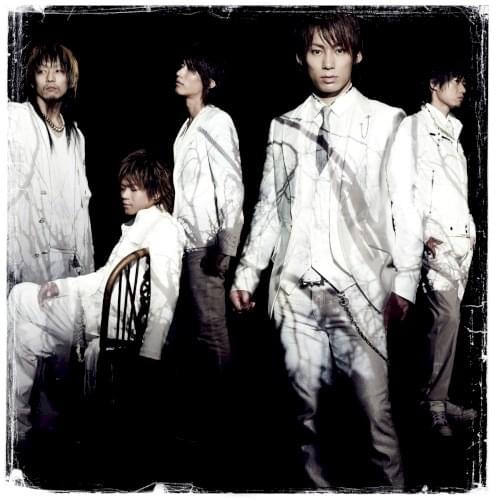
 View Artist