Song Meaning
This track captures the push-and-pull of a relationship where one partner craves intimacy and reassurance, yet struggles to accept the full truth. The narrator is repeatedly asked probing questions about past loves and habits, only for the asker to regret hearing the answers. This creates a cycle of inquiry and withdrawal, a frustrating dance of wanting to know everything while simultaneously wanting to preserve an idealized version of the relationship. The lyrics highlight the inherent contradiction: "You say you don't want to know" immediately followed by "No, tell me everything."
The central tension lies in the asker's insecurity and their contradictory demands. They ask about the narrator's past, their quirks like how they hold hands or blink when lying, and who shaped them. Yet, when the narrator offers honesty, the asker becomes defensive, accusing them of being "too honest." This suggests a fear of not measuring up or a desire to control the narrative, leading to a self-sabotaging pattern of seeking information they can't handle.
The most striking craft element is the recurring phrase "って言うくせに" (tte iu kuse ni), translating to "even though you say" or "yet you say." This repetition underscores the hypocrisy and inconsistency of the asker's behavior. It's a sharp observation of how someone can express one desire while acting in direct opposition to it, creating a sense of exasperated bewilderment for the narrator. The lyrics also play with the idea of "eternal love," with the asker first dismissing it, then getting angry when the narrator doesn't argue against their own statement.
Ultimately, the effectiveness of these lyrics comes from their raw, unflinching portrayal of relationship dynamics. The narrator’s patient, almost resigned tone in the face of the asker's volatile emotions is relatable. The final lines, "I'll accept it all / If you become a perfect person / That cuteness will be lost / But don't be so angry," offer a poignant plea for acceptance, suggesting that flaws are part of what makes someone lovable, even if the asker struggles to see it.
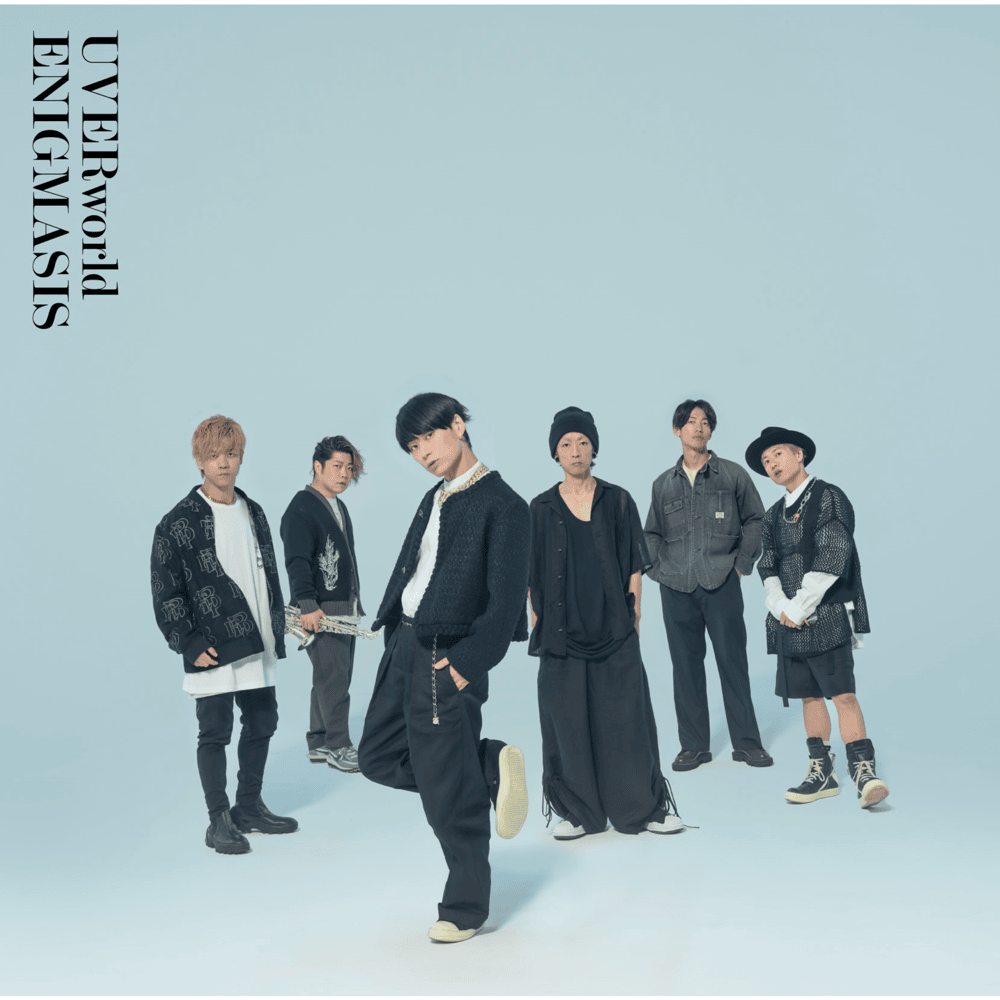
 View Artist