Song Meaning
The lyrics paint a picture of someone observing a lover's deliberate, almost performative, departure. There's a sense of detachment in the way the lover "dance[s] real slow" and then "wreck[s] it down," before turning back, as if for a final, calculated moment. This act of leaving, and the specific details of it, are framed by the narrator's observation that "that is the part you throw away." It suggests a pattern of discarding significant moments or aspects of a relationship, perhaps to avoid deeper emotional entanglement or pain.
The narrator, however, seems to crave the opposite, desiring a collection of intense, even contradictory, experiences and qualities. They list "beggar's eyes," "winning horse," "tidy Mexican divorce," "St. Mary's prayers," and "Houdini's hands," alongside a sympathetic "barman." This eclectic mix implies a yearning for a life lived fully, embracing both hardship and triumph, the mundane and the miraculous, with a desire for understanding and resolution. This contrasts sharply with the lover's apparent tendency to discard, to simplify, or to move on without fully processing.
The central tension arises in the questions posed: "Will you lose the flowers?" and "Hold on to the vase?" This imagery highlights the conflict between cherishing the ephemeral beauty of a moment (the flowers) versus clinging to the structure or memory of it (the vase). The narrator's realization, "I have done all of this / Many times before," underscores a cyclical pattern of heartbreak and perhaps a recognition of their own role in these recurring scenarios. The lyrics "The bone must go / The wish must stay" further emphasize this push and pull between letting go of the physical or painful reality and holding onto the underlying hope or desire.
Ultimately, the effectiveness of these lyrics lies in their evocative, fragmented imagery and the narrator's melancholic reflection on patterns of behavior. The "letters burned up in the fire" and "time is just memory mixed with desire" capture the elusive nature of the past and the way it's reshaped by longing. The final image of a fly circling in a "Portuguese saloon" and the fading tune, leading back to the refrain "that is the part you throw away," leaves a lingering sense of transient moments and the quiet, almost inevitable, discarding of experiences that don't fit a curated narrative.
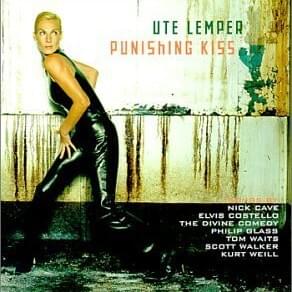
 View Artist