Song Meaning
The lyrics paint a picture of someone who consistently creates their own problems, then expects others to fix them. The narrator observes this pattern, noting how the subject "complicat[es] things that don't exist" and "deserve[s] berating" for it. There's a sense of weary detachment as the narrator witnesses this self-inflicted drama unfold, feeling unable to connect when "everybody laughs." The core issue seems to be the subject's inability to maintain their own stability or "shine," likened to a "star that's clearly lost it's shine."
The central tension arises from the narrator's decision to disengage from this cycle of self-sabotage. The repeated phrase "So when you give up, don't expect me to be around again" signals a definitive boundary. The narrator feels the subject has not only "lost yourself" but also "lost a friend," implying a prior closeness that has been eroded by the subject's behavior. The narrator's active choice to withdraw is framed as a consequence of the subject's actions.
The most striking aspect of the craft is the stark, almost brutal repetition of the final lines: "I'll be gone somewhere inside and you'll be stuck without a ride." This refrain hammers home the narrator's departure and the subject's resulting isolation. The metaphor of being "stuck without a ride" powerfully conveys a sense of helplessness and being left behind, a direct result of the subject's own choices and the narrator's subsequent exit. The contrast between the narrator's internal escape and the subject's external predicament is sharp and unforgiving.
Ultimately, these lyrics resonate because they capture the painful realization that enabling someone's destructive patterns is unsustainable. The narrator's decision isn't presented as malicious, but as a necessary act of self-preservation after repeated disappointment. The stark imagery of being "stuck without a ride" leaves a lasting impression, highlighting the consequences of self-inflicted chaos and the emotional cost of disengagement.
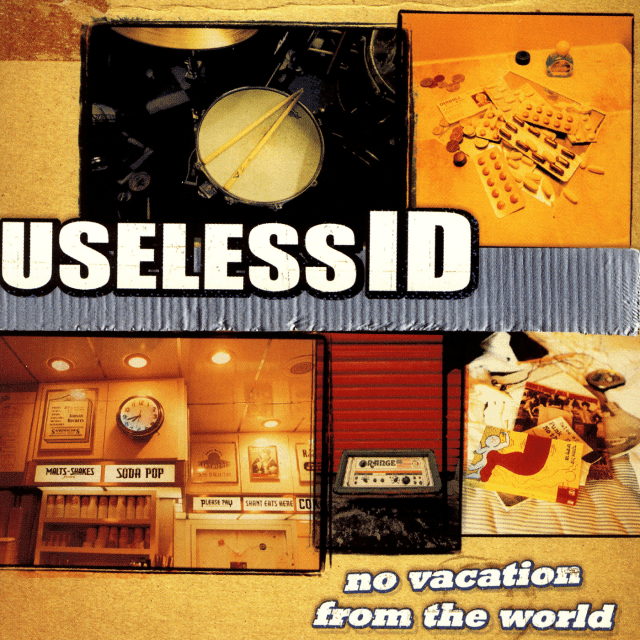
 View Artist