Song Meaning
The lyrics paint a picture of a collective realization, a shared understanding of what is right that exists intrinsically, not learned from external sources like books or the internet. This innate knowledge is contrasted with a present reality where things have gone wrong, prompting the question, "So why did we end up this way?" The initial verses suggest a passive acceptance or even manipulation, where something was "snuck in the room" and "planted," leaving observers with little recourse but to "look." This implies a subtle but pervasive shift that occurred while attention was elsewhere, perhaps on digital distractions.
The core tension lies in the conflict between this inherent sense of rightness and the current, seemingly flawed, state of affairs. The repeated question, "So what are we gonna do to change?" underscores a desire for action and a recognition that the current path is not inevitable. The idea that "no one needs to make a profit" or "get paid" if a collective agreement is reached suggests a critique of systems that might perpetuate undesirable outcomes for financial or other gains, implying that a simpler, more equitable way is possible. However, the stark admission, "But to this day we choose the hard way," highlights a persistent, perhaps self-imposed, adherence to difficult or suboptimal paths.
The most striking craft element is the juxtaposition of innate, almost primal knowledge ("know it in our bones," "All blood flows the same") with the artificiality of external information sources ("book or a site") and the insidious nature of how things went wrong ("snuck it in the room," "planted it"). This contrast emphasizes the tragedy of ignoring or overriding fundamental truths. The repetition of "we wait" on a "lawless night" further amplifies a sense of suspended animation and vulnerability, waiting for a change that seems perpetually out of reach, despite the clear internal compass.
Ultimately, the effectiveness of these lyrics stems from their directness and the relatable frustration they articulate. The writing taps into a universal feeling of knowing better, of seeing a more ideal state, yet being caught in a cycle of suboptimal choices. The simple, declarative statements about innate knowledge and the pointed questions about present circumstances create a powerful sense of shared bewilderment and a yearning for a return to a more intuitive, less complicated existence.
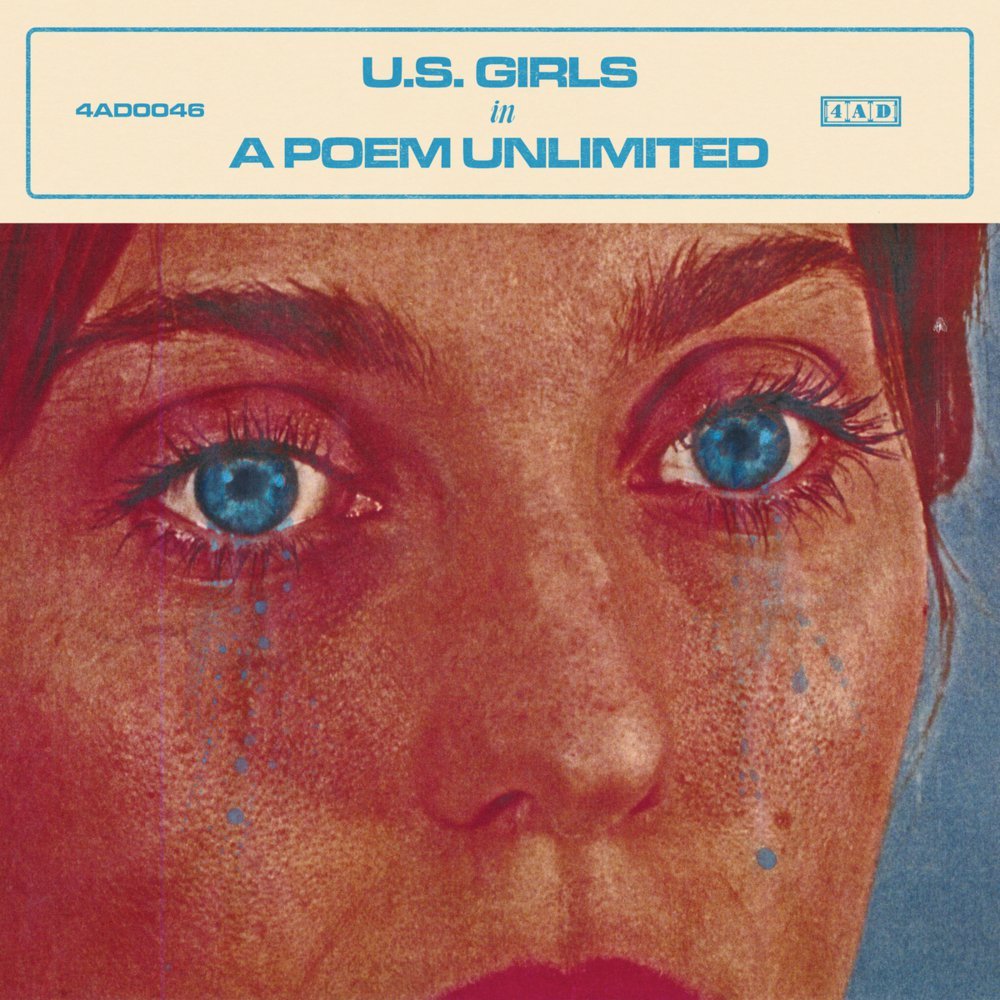
 View Artist