Song Meaning
The narrator grapples with the perceived fragility of a relationship, wishing for a state of solitary perfection for the other person that he himself cannot maintain. The opening lines, "All by herself / At least I want her to be," reveal a possessive desire for an idealized solitude for the object of his affection, immediately undercut by the question, "How could something so good just have to be / So fragile?" This sets up a central tension between an idealized vision and a perceived vulnerability. The imagery of singing birds and a cooling breeze after the person is gone highlights a sense of loss and emptiness, a stark contrast to the imagined perfection.
The core of the song seems to revolve around a desperate plea against the inevitability of loss and the passage of time. The repeated phrase, "There's no more time / Death's gonna come as it pleases," injects a somber, almost fatalistic tone, urging the narrator to reclaim a lost "fantasy" and "better day." This isn't just about a breakup; it's about a fear of impermanence, a desire to rewind to a more perfect state before things became "fragile." The repeated word "fragile" acts as a stark, almost accusatory descriptor for something the narrator once held as perfect.
The lyrics employ a striking juxtaposition between the mundane and the exotic to express this yearning for escape and idealized memory. The idea of a "vacation in Tokyo" becomes a potent metaphor for a desired state of being – a place where the relationship might have been preserved or where the narrator can find solace after its end. The image of the narrator "in my robe" during this fantasy vacation grounds the escapism in a personal, almost mundane detail, making the imagined escape feel both grand and intimately personal. It suggests a desire for a peaceful, perhaps even luxurious, detachment from the painful reality of what was lost.
Ultimately, the effectiveness of these lyrics lies in their raw, almost childlike expression of loss and a desperate wish for things to be different. The narrator isn't offering a complex philosophical treatise on love or loss; instead, he's articulating a visceral reaction to perceived impermanence. The repetition of "My vacation in Tokyo" at the end, almost like a mantra, underscores the longing for an idealized, perhaps unattainable, escape and a return to a time before things became "fragile."
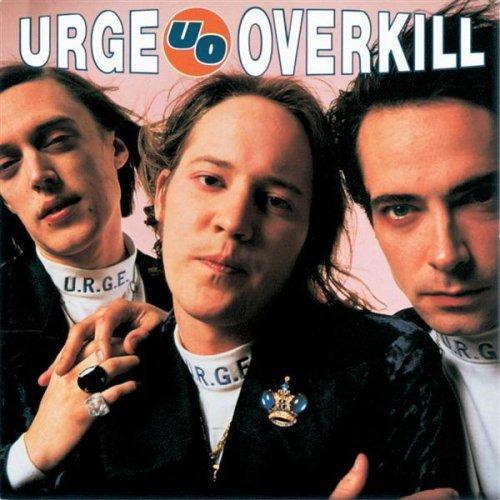
 View Artist