Song Meaning
The lyrics paint a stark picture of internal paralysis, a mind weighed down by a "head full of bricks." This isn't about external action, but a profound inertia, a desire to self-sabotage without any real consequence. The narrator describes aiming "for a section" with these mental bricks, yet notes "no reaction" and "no windows ever broken." It’s a self-contained, internal struggle where the intended impact never lands, leaving the narrator stuck.
The core tension lies in the repeated, almost taunting questions: "Would you ever, ever, ever try?" and the equally emphatic, cyclical refusal: "No, I'd never, never, never, why?" This exchange highlights a deep-seated aversion to engagement or change. The "why" is left unanswered, suggesting a reason so fundamental or ingrained that it’s beyond articulation, or perhaps, beyond the narrator’s willingness to explore.
The imagery shifts in the second verse, introducing "falling bricks" and a "romance of living artifice." This suggests a manufactured existence, where even the pretense of life or beauty, like "flowers," is tied to a sense of decay or failure. The narrator seems resigned to this artificiality, finding a reason to "swear by all the flowers" only in "the failing hours," a poignant, almost morbid dedication to beauty that only exists in decline.
Ultimately, the effectiveness of these lyrics stems from their unflinching portrayal of a specific kind of existential deadlock. The contrast between the destructive imagery of bricks and the lack of actual impact, coupled with the relentless, circular dialogue of refusal, creates a potent sense of being trapped. The final questions, "Will you ever, ever, ever know?" met with "No, I'll never, never, never, no," solidify this feeling of an unbridgeable gap between potential and reality, a self-imposed ignorance that defines the narrator's state.
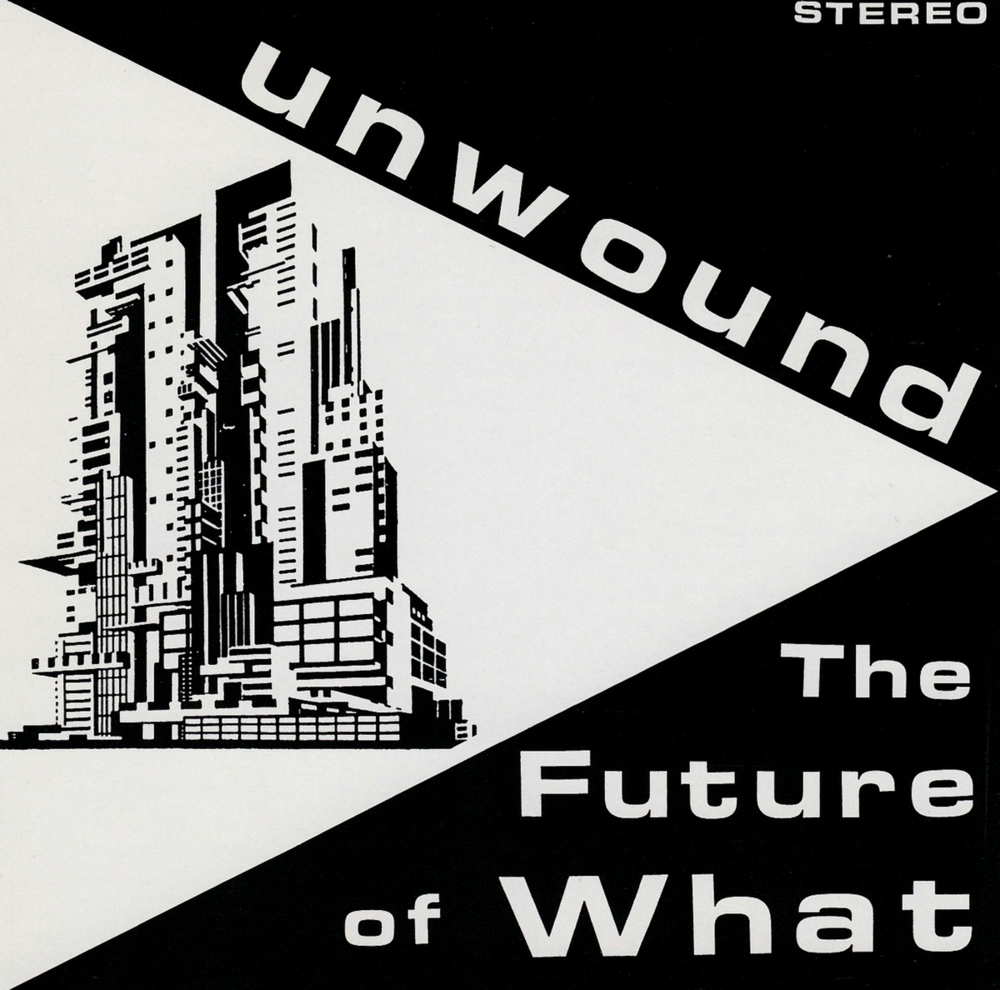
 View Artist