Song Meaning
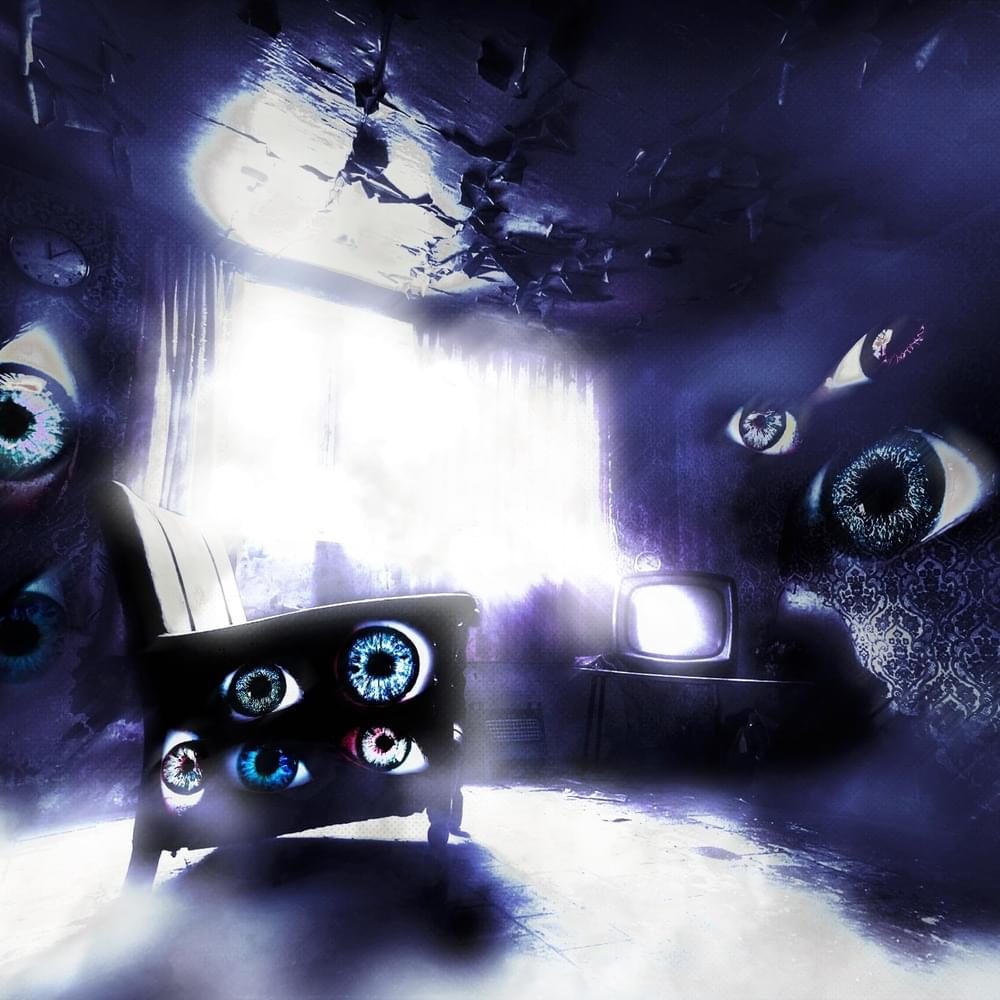
The narrator’s walls act as silent witnesses to a life lived intensely, absorbing both the thunderous turmoil of the heavens and the quiet spectrum of human emotion. They’ve seen joy and sorrow, serving as a constant backdrop to the narrator’s self-proclaimed mastery over ambiguity. These walls aren't just passive observers; they are presented as active enablers, granting the narrator the crucial space to express themselves, to “кричать” (shout).
The core tension seems to arise from the narrator’s struggle with identity and their place in the world. They question if they are a mere product of a strange land, a “робот Страны Дураков” (robot of the land of fools), or a “типичный главный герой” (typical main character) within a “посредственный моб” (mediocre mob). This internal conflict is amplified by the relentless drive to evolve, moving “из воды в огонь” (from water to fire) and understanding the “парадигму рубикона” (paradigm of the Rubicon), suggesting a constant state of transition and difficult choices.
The most striking aspect of the lyrics is the personification of the walls. They are not just structures but confidantes, offering unwavering support and belief: “Мы будем с тобою, ты не один” (We will be with you, you are not alone) and “Мы в тебя верим, пора идти” (We believe in you, it’s time to go). This intimate relationship with inanimate objects highlights a profound sense of isolation, yet also a source of resilience. The narrator’s journey, described as “иду по головам только первый год” (walking over heads only the first year), implies a ruthless ambition, yet the walls’ encouragement suggests a deeper need for validation and companionship.
Ultimately, these lyrics resonate because they capture the universal experience of seeking solace and strength in unexpected places. The narrator’s raw vulnerability, juxtaposed with their fierce determination and the silent, steadfast support of their surroundings, creates a powerful portrait of self-discovery. The walls, having heard the thunder and seen the tears, become a metaphor for the enduring inner landscape that witnesses and validates our most profound struggles and triumphs.
 View Artist