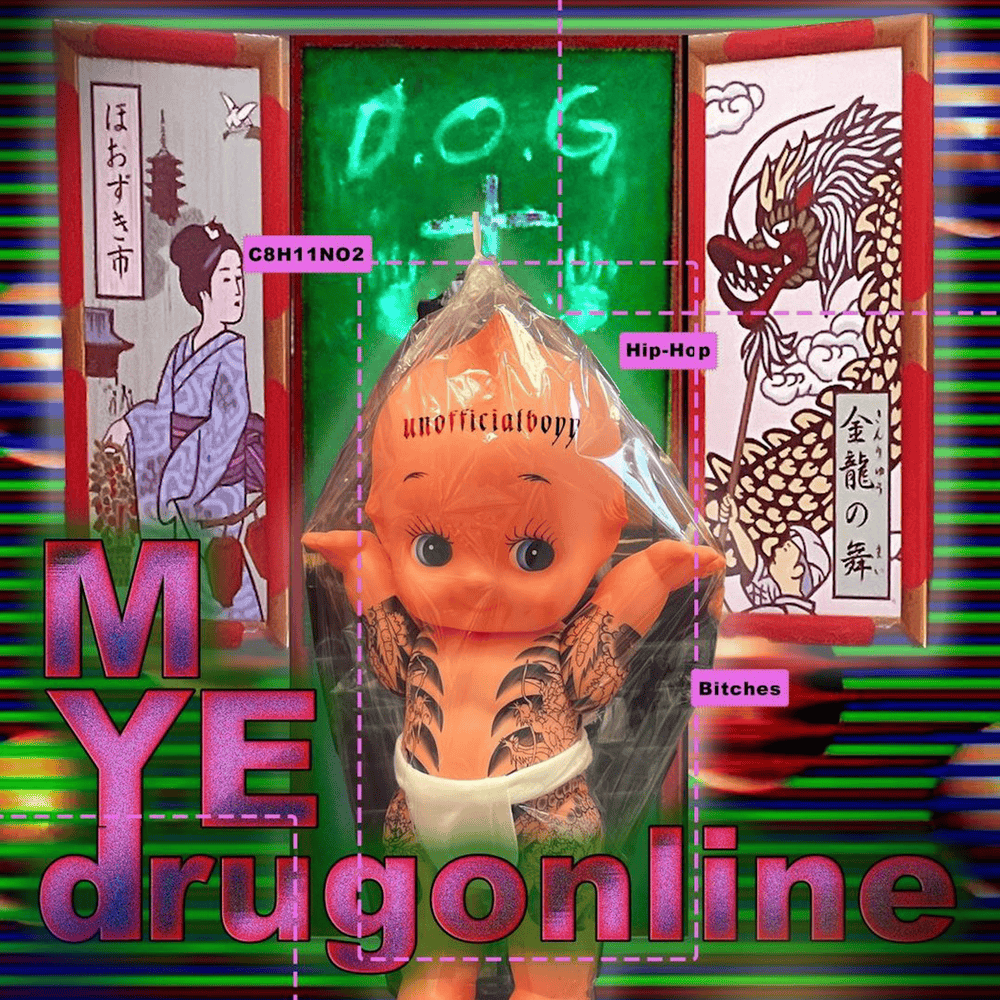
Song Meaning
The narrator opens by stating they are living for the joy of dreaming, urging not to be woken because the world has lost its appeal. They express a profound disillusionment, bordering on nihilism, where the distinction between a "word" (제시어) and music is blurred by hatred. This suggests a deep-seated apathy that makes even the act of creation feel meaningless if met with negativity. The line "내일은 없어 덮은" (there is no tomorrow, covered) powerfully encapsulates this sense of finality and resignation.
The lyrics then pivot to a cynical view of faith and truth, contrasting a "revelation like the Book of Revelation" with the betrayal of "easy faith." The narrator declares a hatred for lies and insults "vermin, beggar bastards," indicating a raw, unfiltered anger directed at perceived phoniness or deceit. The present moment, "걸러진 지금" (now that it's filtered), is presented as the "best example" to be written into bars, suggesting a process of purification through hardship and rejection.
A shift occurs as the narrator embraces a more pragmatic, self-reliant stance. "Real recognize real" is stated as an undeniable truth, leading to a return to prayer and a reliance on "old sayings." Overwhelmed by "too many thoughts," the narrator chooses to "feel rather than do," concluding that "it depends on how you do it" and that they are "just rapping." This highlights a tension between introspection and action, ultimately settling on the creative act of rapping as a form of processing.
The song grapples with a profound sense of existential weariness and a struggle for meaning. The repeated refrain, "해 떳으니까 잘게 / 나 부엉이 같네" (The sun is up, so I'll sleep / I'm like an owl), coupled with "Drugonline MYE," paints a picture of someone operating on a different clock, perhaps due to substance use or a general disconnect from societal norms. This nocturnal existence, where sleep comes with the dawn, underscores a feeling of being out of sync and isolated, finding solace or escape in the act of creation despite the surrounding darkness.
Ultimately, the lyrics convey a raw vulnerability and a desperate search for stability in a world perceived as hostile and meaningless. The narrator admits, "I hate my life sometimes" and "I feel like I can't live anymore." Yet, amidst this despair, there's a persistent, almost defiant act of creation: "그래도 rhyme을 짜고 있어" (still, I'm writing rhymes). This suggests that even when faced with self-loathing, loneliness, and the uncertainty of tomorrow, the act of making music becomes a fundamental, albeit fragile, way to endure and express the internal turmoil.